 ChatGPT
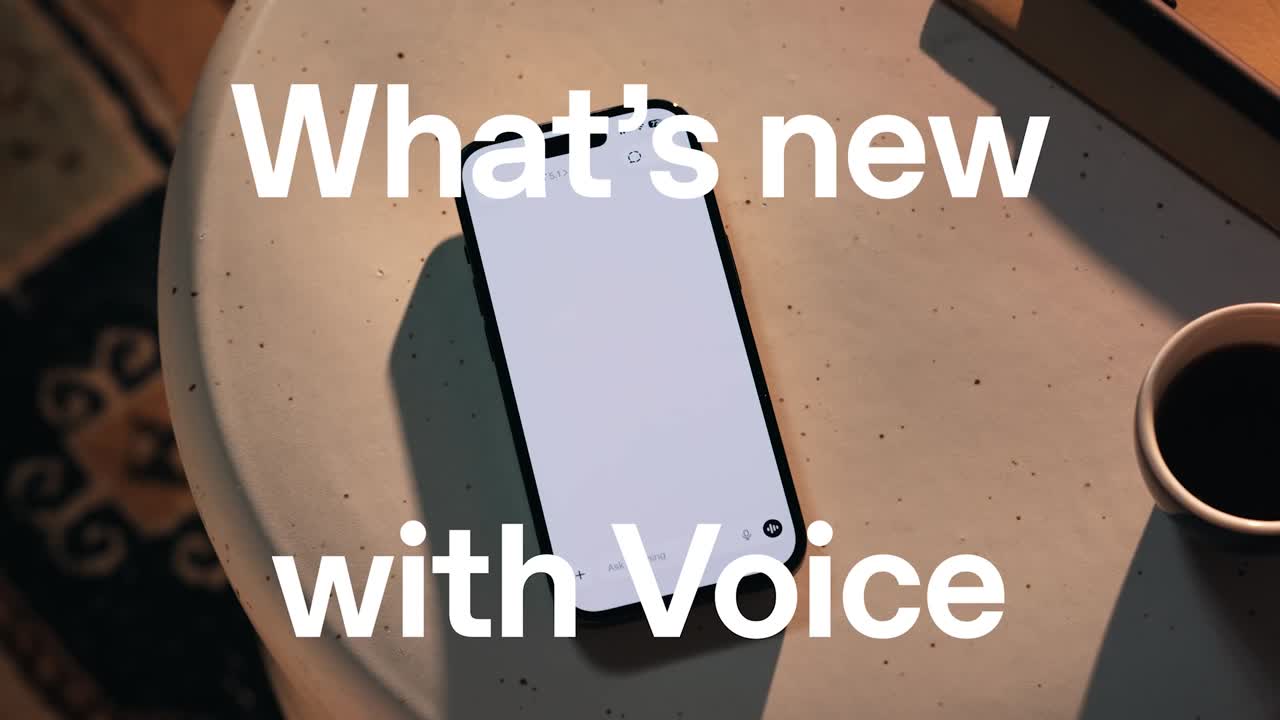
OpenAI has integrated ChatGPT Voice directly into the main chat interface, removing the need to switch into a separate voice mode. The update, announced on LinkedIn, allows users to speak to ChatGPT while simultaneously viewing text responses, scrolling through conversation history, and seeing visual elements like images or maps in real time.
The change addresses a long-standing friction point in the ChatGPT experience. Previously, users who wanted to use voice had to enter a dedicated mode that isolated them from the text-based interface. This meant losing access to the chat history and any visual content during voice conversations. The new unified interface keeps everything accessible at once.
How the Integration Works
Users can now initiate voice conversations without leaving the main chat window. As they speak, ChatGPT's responses appear as text on screen in real time, allowing users to see the full context of the conversation while maintaining a natural spoken dialogue. This is particularly useful for workflows that benefit from both modalities, such as asking for step-by-step instructions while being able to refer back to earlier steps, or requesting data visualizations that need to be viewed while discussing them.
The feature supports the same capabilities as the previous voice mode, including the ability to interrupt ChatGPT mid-response and have natural back-and-forth conversations. Visual elements like generated images, charts, or map results now display alongside the voice interaction rather than requiring users to exit voice mode to view them.
For users who prefer the original experience, OpenAI has included a "Separate mode" toggle in Settings under Voice Mode. This preserves the previous behavior for those who found value in the distraction-free, audio-only interface.
Availability and Rollout
The integrated voice feature is rolling out to all ChatGPT users across mobile and web platforms. Users need to update their app to access the new functionality. OpenAI has not specified an exact timeline for complete deployment, but the update appears to be reaching users gradually.
The move comes as OpenAI continues to refine ChatGPT's multimodal capabilities, following recent improvements to tool-calling and vision features. The company has been steadily expanding how users can interact with its AI models beyond simple text prompts.
This update positions ChatGPT more directly against other AI assistants that offer seamless voice integration, including Claude and Gemini. By removing the modal switching requirement, OpenAI makes voice a more natural default option rather than a separate feature users must consciously choose to activate.
The unified interface may prove particularly valuable for mobile users who often multitask between voice input and reviewing text output, as well as desktop users who want to maintain context across different interaction modes without manual switching.
Sources
1 checkedHow we cover tool news: Create With's tool desk drafts these reports with AI from the sources listed above and checks them against those sources before publishing.



 Zapier


 Supabase
