 Supabase
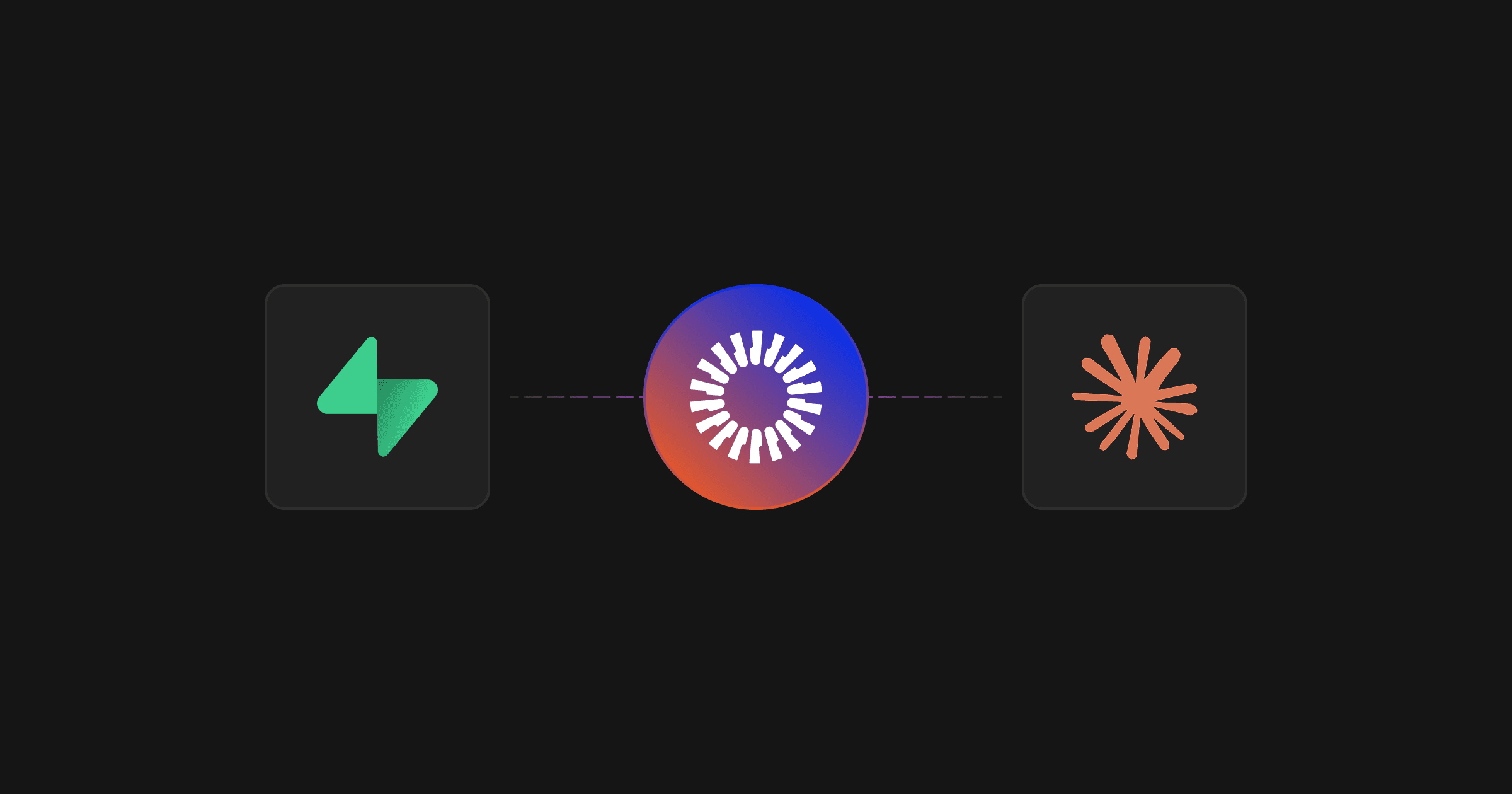
Supabase is making it easier for enterprises to connect company data and development workflows to AI assistants without handing every employee a separate set of credentials. Enterprise-managed auth for the Supabase MCP server is now generally available, allowing administrators to authorize the connector centrally through Okta while preserving each user’s existing permissions.
The feature was built with Anthropic and Okta, according to Supabase’s official blog post. Supabase also announced the general availability release on LinkedIn on August 24, 2026.
One authorization for the organization
Supabase’s Model Context Protocol server connects the platform to MCP-compatible AI clients. In this case, employees can access Supabase from Claude, while the company manages authentication through Okta.
The important change is where authorization happens. An IT administrator can approve the Supabase connector once through Okta, rather than requiring team members to configure access independently. When users open Supabase through Claude, their access remains scoped to the permissions they already hold.
That model addresses two separate enterprise concerns. Central authorization gives IT a controlled path for enabling the integration across a workforce. Permission scoping reduces the risk that connecting an AI assistant will inadvertently give an employee broader access than they have elsewhere in Supabase.
In practical terms, the release provides:
- Central connector authorization: An administrator approves the Supabase integration through Okta.
- Existing permission enforcement: Employees retain the access boundaries already associated with their identities.
- Claude integration: Authorized team members can work with Supabase from within Claude.
- Managed deployment: Organizations do not need every employee to establish the enterprise connector separately.
Supabase has not described the connector as bypassing its existing access controls. The company’s announcement emphasizes the opposite: Claude access is scoped to each person’s established permissions.
Why this matters for AI-assisted development
MCP servers are becoming a common bridge between AI assistants and external services. They can make an assistant more useful by giving it controlled access to relevant tools and context, but that connection also creates an identity and governance problem. A deployment that works for one developer with personal credentials may not satisfy an enterprise security team responsible for hundreds or thousands of accounts.
Supabase’s approach places Okta in the administrative layer and uses existing user permissions as the boundary. That should be particularly relevant to organizations already using Supabase for shared applications and Claude for development or operational work. The value is less about adding a new model capability and more about making an existing connection deployable under centralized identity controls.
The announcement follows other work aimed at larger production environments, including Supabase’s recent addition of W3C Trace Context for connecting client requests to server logs. Together, these updates point toward a broader focus on governance and observability as AI tools become part of routine development workflows.
Some operational details remain unspecified. Supabase has not published pricing, plan eligibility, configuration requirements or a detailed comparison with the connector’s previous authentication flow in the supplied announcement. Organizations considering deployment will need to confirm those points in Supabase, Anthropic and Okta documentation.
Frequently asked questions
What is Enterprise-managed auth for the Supabase MCP server?
Enterprise-managed auth for the Supabase MCP server lets an organization’s administrator authorize the Supabase connector centrally through Okta. Team members can then use Supabase inside Claude, with access limited by the permissions they already have.
Who is this feature intended for?
It is aimed at organizations that want to provide managed Supabase access inside Claude without asking every employee to authorize the enterprise connector independently. It is especially relevant to IT and security teams that use Okta and need access to remain aligned with existing roles.
When is it available, and which plan is required?
Supabase announced general availability on August 24, 2026. The supplied announcement does not specify pricing, eligible Supabase plans or whether additional Anthropic or Okta subscriptions are required.
Sources
1 checkedHow we cover tool news: Create With's tool desk drafts these reports with AI from the sources listed above and checks them against those sources before publishing.



 Jotform
 Gemini

 Figma
 Vercel