 Notion
Notion Adds Kimi K2.7 Code Model for In-App AI Coding Assistance
Notion has integrated Kimi K2.7 Code, an open-weight coding model, into its platform, according to an announcement on LinkedIn. The update brings specialized code generation capabilities directly into Notion's workspace, allowing users to access AI coding assistance without switching tools.
Kimi K2.7 Code joins Notion's expanding roster of AI models, which recently included Claude Sonnet 5 and Grok 4.5. The company appears to be building out a multi-model approach, giving teams access to different AI capabilities depending on their workflows.
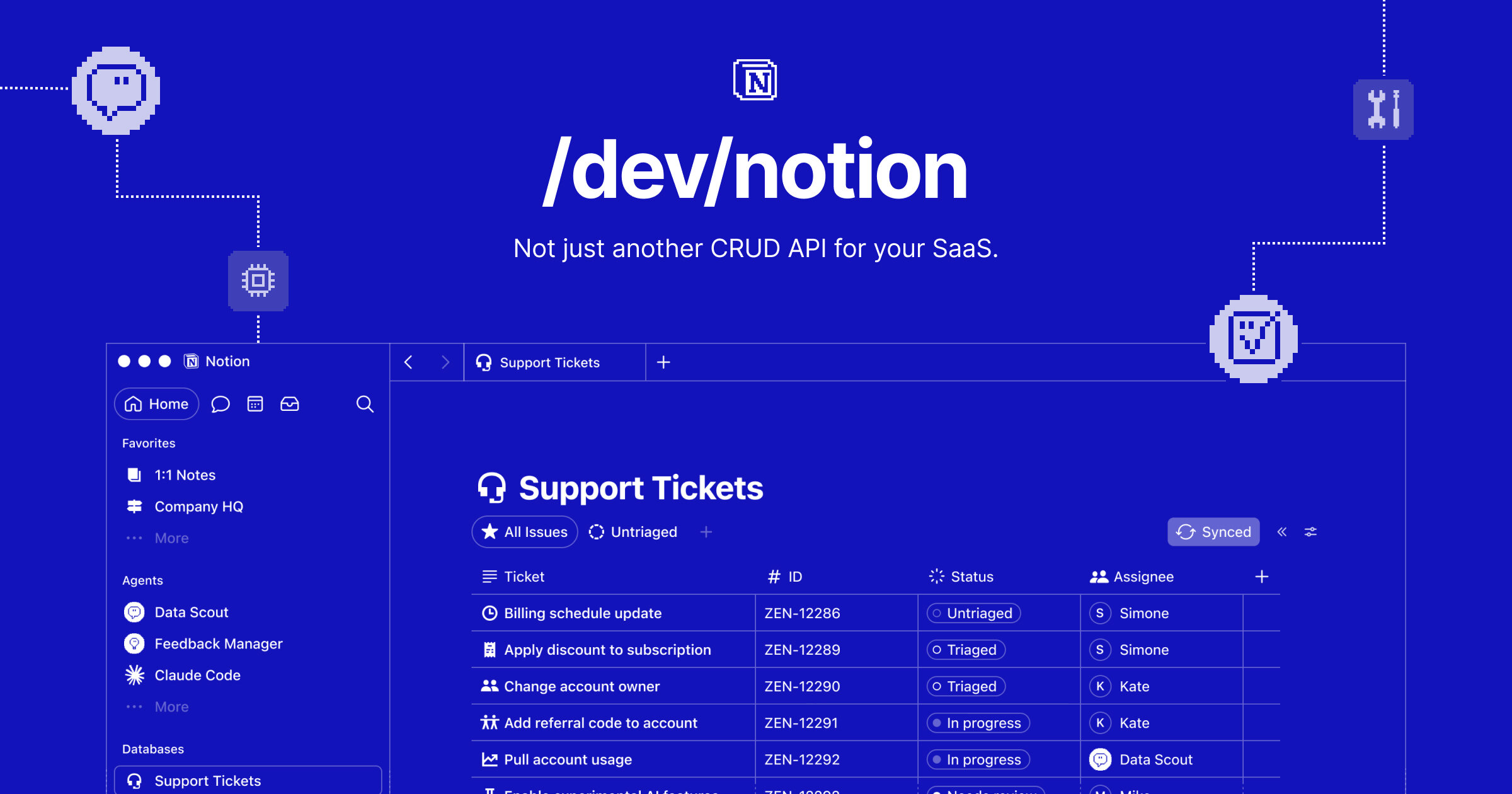
The addition comes as Notion continues to position itself as a development-friendly platform. Earlier this year, the company launched its Developer Platform, introducing tools like Workers for syncing external data sources and custom agent capabilities. Open-weight models like Kimi K2.7 Code offer teams transparency into model architecture and performance characteristics, which can be valuable for technical users evaluating AI tools.
What Kimi K2.7 Code Brings to Notion
Kimi K2.7 Code is designed specifically for coding tasks, which differentiates it from general-purpose models. While Notion has not disclosed specific performance benchmarks or use cases in the announcement, open-weight coding models typically handle tasks like code completion, debugging assistance, and documentation generation.
For Notion users building databases, automations, or custom tools within the platform, having a dedicated coding model could streamline workflows that involve scripting or API integration. Teams working with Notion's new Developer Platform features, such as custom agents or Workers that sync data from external sources, may find the model useful for generating boilerplate code or troubleshooting integrations.
The model is available now to Notion users. The company has not specified whether access is limited to paid tiers or included in free plans.
Multi-Model Strategy Takes Shape
Notion's approach mirrors a broader industry trend toward offering multiple AI models rather than relying on a single provider. Claude, ChatGPT, and other platforms have similarly expanded their model offerings to cover different strengths, from reasoning to code generation to search.
By integrating open-weight models alongside proprietary ones, Notion gives teams more control over their AI stack. Open-weight models can be audited, fine-tuned, and deployed in custom environments, which appeals to organizations with specific compliance or performance requirements.
The move also aligns with Notion's recent developer-focused updates, including HTML blocks for interactive content and agent-building tools. These features suggest Notion is targeting users who want to extend the platform's capabilities beyond note-taking and project management into more technical territory.
Whether Kimi K2.7 Code becomes a core tool for Notion's technical users will depend on how it performs against established coding assistants and whether the company provides documentation, examples, or integrations that make the model practical for everyday workflows.
Sources
1 checkedHow we cover tool news: Create With's tool desk drafts these reports with AI from the sources listed above and checks them against those sources before publishing.



 Supabase


