Netlify

Netlify has quietly shipped three updates that remove longstanding limitations on its platform, making it easier for developers to build protected sites with background tasks and more flexible caching.
The changes, announced on LinkedIn by Principal Developer Experience Engineer Eduardo Boucas, address specific friction points that developers have encountered when building on the platform.
Scheduled Functions Now Work with Password Protection
Developers can now use scheduled functions and event-triggered functions on sites protected by password or single sign-on (SSO). Previously, these background tasks were blocked on gated sites, forcing teams to choose between access control and automated workflows.
Scheduled functions run on a recurring basis without user interaction, making them useful for tasks like sending daily reports, cleaning up old data, or syncing with external APIs. The limitation meant developers building internal tools or client portals often had to deploy separate, unprotected services just to handle background jobs.
Boucas teased that event-triggered functions are getting more attention soon. These functions respond to events like form submissions or database changes rather than running on a schedule.
Cache API Adds Stale-While-Revalidate
The Netlify Cache API now supports the stale-while-revalidate directive, a caching strategy that serves a cached response immediately while fetching a fresh version in the background. This reduces perceived latency for users while keeping content reasonably up to date.
Two new capabilities support this:
fetchWithCachemethod: Handles revalidation automatically, abstracting away the complexity of managing stale contentneedsRevalidationoption: Gives developers manual control over when to trigger background updates
Stale-while-revalidate is particularly useful for content that changes periodically but doesn't need to be instantly fresh, like blog posts, product listings, or API responses. Users see content faster, and servers handle fewer requests during traffic spikes.
Custom Path Configuration Now Allowed
Developers can now define a path property in their functions that matches the default /.netlify/functions/<name> URL pattern. This was previously blocked, creating confusion when developers tried to be explicit about their routing configuration.
While Boucas called it "a small one," the change eliminates an unnecessary error condition. It also matters for AI agents and code generation tools that often produce more explicit configurations, following what seems like logical patterns even if they're technically redundant.
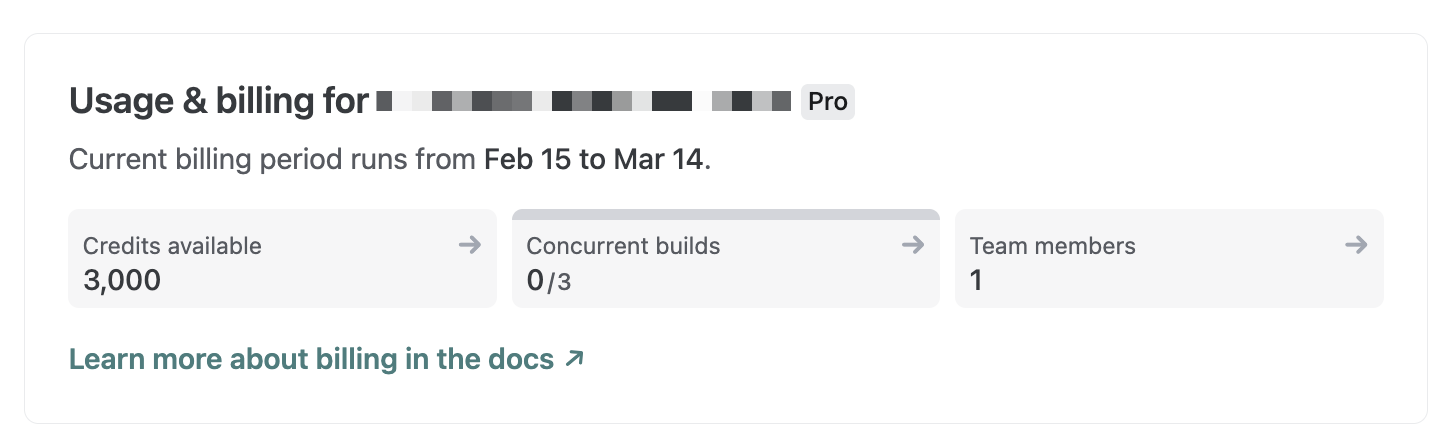
These updates follow Netlify's recent work on observability and AI tooling. The company celebrated reaching 10 million developers earlier this month and has been shipping improvements to help teams understand what's happening in production, including a new credit usage display that shows available credits at a glance rather than requiring mental math.
The platform continues to compete with Vercel and other edge deployment providers by removing friction points and expanding what developers can build without leaving the platform.
Sources
1 checkedHow we cover tool news: Create With's tool desk drafts these reports with AI from the sources listed above and checks them against those sources before publishing.


 Supabase