 Make
Make has launched Make Skills for Claude and a companion MCP server that together let Claude build, deploy, and debug automation scenarios directly inside a user's Make account. The dual-layer system combines deep knowledge of Make's platform with live execution capabilities, turning Claude into what amounts to an automation engineer with API access.
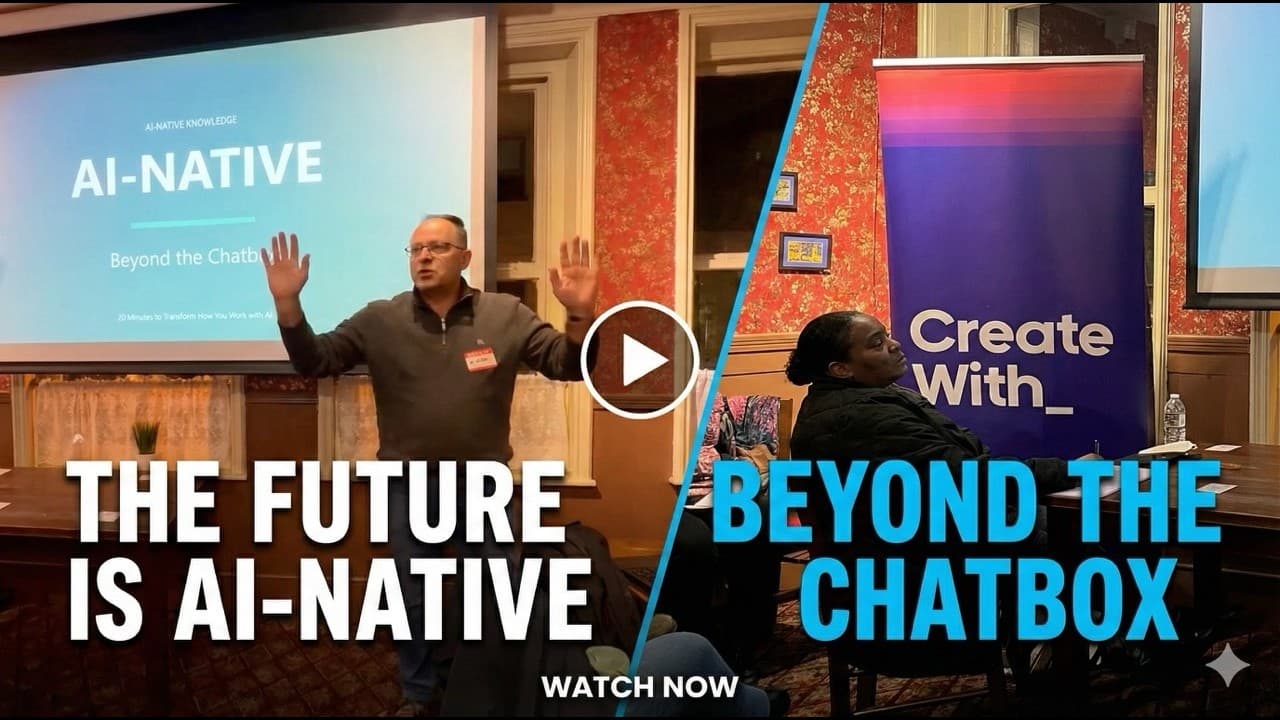
The announcement came from Irina Vasilkova, who leads Make's AI and MCP initiatives, following a community event in London where the company demonstrated the combined workflow. The tools are now in open beta and free for all Make users.
How the Two Layers Work
Make Skills for Claude loads Claude with platform expertise: valid modules, scenario patterns, connection logic, and best practices. It includes 30-plus reference files covering four distinct skill areas, from scenario architecture and module configuration to MCP troubleshooting and API shell workflows. This knowledge layer teaches Claude how Make works and how to build correctly.
The Make MCP Server provides the execution layer. It gives Claude live access to over 100 tools that can create scenarios, activate workflows, inspect configurations, and debug errors without opening the Make editor. The MCP server handles app discovery, module validation, connection management, and blueprint deployment via API.
Together, the skills tell Claude what to build. The MCP server lets it actually build. Users describe what they need in natural language; Claude constructs the scenario, validates each module individually, checks existing connections or initiates OAuth flows for missing ones, and deploys the blueprint directly to the Make account.
Installation and Platform Support
Make Skills installs through Claude Code's plugin marketplace, where both the skills and MCP server load automatically. Users can also upload skills manually to Claude Desktop or Claude.ai. For developers using Cursor, Windsurf, or other agents, installation is available through the Open Agent Skills protocol, though that requires technical setup.
The MCP server configuration covers OAuth versus token authentication, scopes, access control, and connection troubleshooting. Make designed it to work across different Claude environments, though feedback from the London event surfaced questions about permissions and multi-client builds that the team is now prioritizing.
Validation Before Deployment
One notable detail: every module gets validated individually via the MCP API before blueprint assembly. This catches configuration errors early, before deployment, rather than after a scenario is already live. The system also automatically checks for existing connections, maps credentials to the right modules, and constructs blueprints with proper routing, merging, filtering, iterations, and error handling.
The API shell workflow, one of the four core skills, provides a reusable pattern for provisioning Make API calls. It handles app discovery, connection setup, OAuth flows, interface resolution, and SaaS data retrieval. The other three skills build on this foundation.
Make has been steadily expanding its AI capabilities. The company recently added MCP Toolboxes for guardrails and permission control, and integrated Gemini 3.5 Flash across its AI toolkit. The Skills and MCP Server release extends that work into conversational automation building, letting users who understand their workflow describe it to Claude rather than configure it manually.
The open beta is live at skills.make.com, with source code available on GitHub for developers who want to inspect or extend the implementation.
Sources
1 checkedHow we cover tool news: Create With's tool desk drafts these reports with AI from the sources listed above and checks them against those sources before publishing.


 Supabase

 Jotform
 Gemini
 Figma
 Vercel