 Make

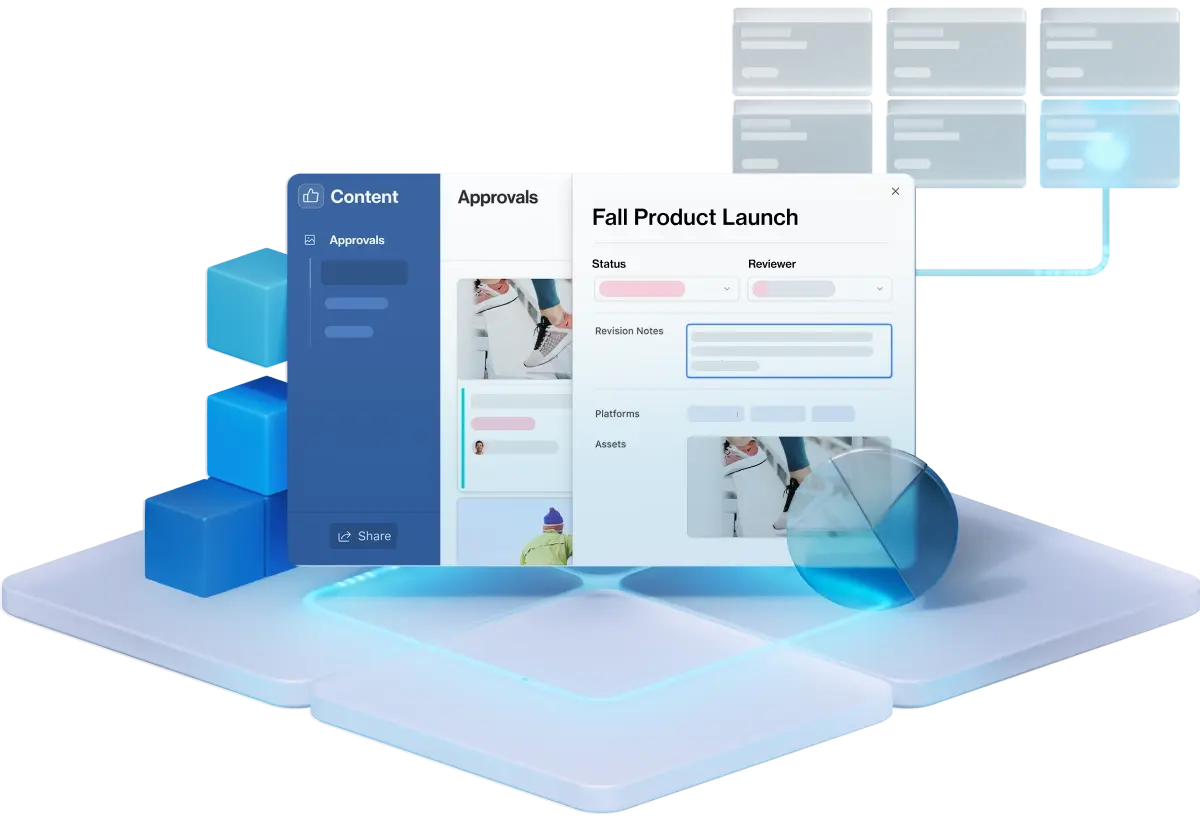
MakeOS is a new platform for coordinating a company’s AI agents, with one visual view of every agent, task, cost and owner.
The aim is to apply Make’s existing approach to automation visibility to work carried out by AI agents. MakeOS extends that principle across agents and teams.
According to the LinkedIn announcement, the platform will connect to thousands of systems, support AI chosen by the customer and include governance by design. Humans remain in control of the processes running through it.
MakeOS Brings Agents Into One Visual System
Instead of treating each agent as a separate tool or hidden process, the platform maps how work moves between agents, systems and people.
The visual layer records who owns each part of a process, what task is being performed and what it costs. This follows the model Make already uses for scenarios, where builders can inspect the modules in an automation and see individual runs and errors.
| Area | Existing Make approach | MakeOS approach |
|---|---|---|
| Process view | Visual scenarios made from modules | Visual source of truth covering agents and tasks |
| Monitoring | Individual runs and errors are visible | Agent activity, costs and owners are visible |
| Connections | Apps and systems connect through Make | Agents connect to thousands of systems |
| Control | Builders define automation logic | Deterministic and agentic work can sit in the same process |
| Sharing | Teams work with scenarios and connected systems | Teams can receive an agent without receiving its underlying data |
Make’s description of MakeOS separates work that needs fixed, repeatable rules from work where an agent can make a decision. Human control sits across both types of work.
That builds on the visibility Make has used for conventional automation rather than replacing it with an opaque agent layer.
Governance Covers Costs, Owners and Data
MakeOS is designed to show more than whether an agent completed a task. The announced visual view includes the task, its owner and its cost. Governance is built into the platform rather than described as a separate review process.
The platform also supports AI selected by the customer. Make has not yet named specific models or explained how builders will select between them, but the stated design allows agents to work with the wider systems connected through Make.
%20(1).png)
Sharing works at the agent level. A colleague can receive an agent without receiving the data behind it. This gives teams a way to reuse an agent while keeping its connected information separate.
The ownership view adds another control point. Each agent and task can be associated with an owner, alongside the cost of the work. Combined with visible process flows, this creates a record of how agents, systems and humans participate in the same operation.
Early Access Will Shape the Product
Make is building MakeOS with its community rather than releasing it as a finished, generally available product. Participants will be able to use the platform, give feedback and help shape its development.
Access is therefore not yet presented as a standard Make plan feature. The announcement does not give a general release date or describe the application and selection process beyond joining the waitlist.
Frequently asked questions
What is MakeOS?
MakeOS is Make’s visual platform for coordinating AI agents across company processes. It shows agents, tasks, costs and owners while keeping humans in control.
How does MakeOS compare with existing Make scenarios?
Existing Make scenarios expose modules, runs and errors in visual automations. MakeOS applies that visibility to multiple AI agents, their tasks, costs, owners and connections to business systems.
Can teams share agents through MakeOS?
Yes. Make says colleagues can receive an agent without receiving the data connected to it, allowing agents to be shared across teams while keeping that data separate.
When is MakeOS available and what does it cost?
Make has opened a waitlist for a number of early access places. Make has not published pricing, eligible plans or a general availability date.
Sources
4 checkedHow we cover tool news: Create With's tool desk drafts these reports with AI from the sources listed above and checks them against those sources before publishing.

 Stripe
 Airtable
 Adalo

 Squarespace
 ElevenLabs