 Lovable
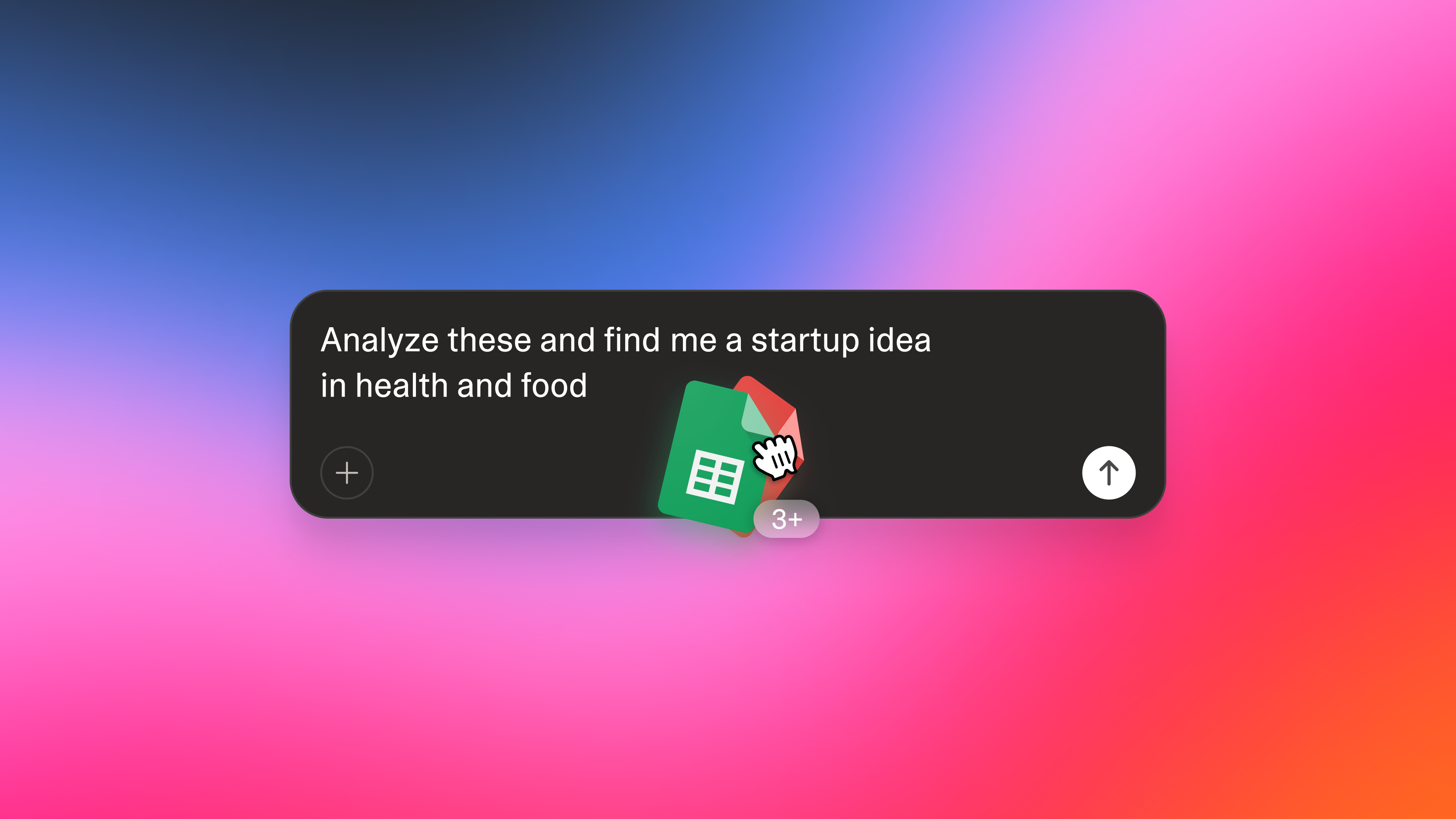
Lovable Expands into Data-Driven Workflows
Lovable has moved beyond its core app-building capabilities with a suite of features that handle data analysis, business document creation, and media generation. The platform now processes market research reports, generates pitch decks with real data, creates videos, and transforms unstructured spreadsheets into functional applications, all through conversational prompts.
The update, announced on LinkedIn, demonstrates the platform's shift from purely building web applications to handling broader business tasks. A demo video shows Lovable analyzing two market research documents, identifying five startup opportunities, and assembling a presentation with supporting data.
Multi-Modal Document Processing
The new capabilities center on Lovable's ability to ingest and manipulate different file types within the same workflow. Users can upload spreadsheets with inconsistent formatting, PDFs containing market data, or raw text files, and prompt the system to extract insights, generate visualizations, or build interfaces around that data.
This approach differs from tools like Airtable or Glide, which require structured data inputs. Lovable handles the structuring step, converting messy files into usable formats before generating apps or documents. For teams already using Supabase or Xano as backends, this adds a preprocessing layer that reduces manual data cleaning.
The video generation feature remains less detailed in the announcement, but appears to produce short explainer clips or product demos based on app content. This puts Lovable in competition with Descript and AI video tools for teams that need quick visual assets without hiring editors.
Impact on Product Development Cycles
Lovable's expanded scope means non-technical teams can now prototype data-driven applications without switching between tools. A product manager could upload user survey results, ask Lovable to identify the top three feature requests, build a dashboard to visualize those requests, and generate a pitch deck for stakeholders, all without leaving the platform.
This consolidation matters for small teams where the same person handles research, prototyping, and stakeholder communication. As we previously covered, Lovable has been broadening its use cases beyond traditional app development. The addition of business document tools accelerates that trend.
Key workflow improvements include:
- Direct data uploads without pre-formatting
- Conversational queries for analysis tasks
- Automated generation of presentation materials
- Single-session transitions from research to prototype
Teams using Bubble or Webflow for production apps might still find value in Lovable for rapid validation cycles. The ability to test data models and user flows before committing to a full build reduces wasted development time.
Positioning Against AI Coding Tools
Lovable competes with Cursor, Bolt, and v0 in the AI-assisted coding space, but this update emphasizes business applications over pure code generation. While Cursor targets developers who want AI pair programming, Lovable aims at operators who need functional outputs without touching a code editor.
The pitch deck generation feature specifically targets startup founders and consultants who cycle through investor presentations. Rather than manually compiling data in Canva or Google Slides, users can feed Lovable raw research and receive a formatted deck. Quality will depend on template variety and customization depth, details not yet disclosed.
For data-heavy workflows, Lovable now overlaps with Claude and ChatGPT, which also handle document analysis and content generation. The difference lies in Lovable's focus on producing deployable apps alongside the analysis, rather than just text outputs.
What Remains Unclear
The announcement lacks specifics on file size limits, supported data formats beyond spreadsheets, and whether generated videos require manual editing. Pricing implications for heavy data processing tasks also remain unaddressed, as compute costs for analysis and media generation typically exceed standard app-building operations.
Integration with existing Zapier or Make workflows would extend Lovable's utility, but the current feature set appears self-contained. Teams that rely on automated pipelines will want clarity on API access or webhook support for these new capabilities.
Lovable's official blog post provides additional context on the update's scope and intended use cases. The platform's shift toward general business tooling suggests it's positioning itself as an operational hub rather than just a development environment.
Sources
1 checkedHow we cover tool news: Create With's tool desk drafts these reports with AI from the sources listed above and checks them against those sources before publishing.







 Stripe

 Supabase
