Spline

Spline Demonstrates Advanced Shader Capabilities in Omma AI
Spline has shared a new interactive demonstration built with Omma AI, showcasing the platform's ability to generate complex visual effects using custom fragment shaders. The project, described as a "vibecoded exploration," features a cloud infrastructure website concept where a stylized 3D floor grid morphs into a stacked infrastructure visualization.
The demo highlights Omma's capacity to handle sophisticated rendering techniques beyond standard 3D scene composition. According to the announcement, the project uses a custom fragment shader that pixelates the entire 3D scene into an RGB sub-pixel grid complete with scanlines, paired with bloom effects for additional glow.
Technical Implementation
The demonstration represents a continuation of Spline's push into advanced WebGL and WebGPU rendering techniques through its AI-powered platform. The custom fragment shader approach allows developers to manipulate how the 3D scene renders at the pixel level, creating retro-inspired visual effects reminiscent of CRT displays.
Key technical elements include:
- Custom Fragment Shader: Pixelates the 3D scene into an RGB sub-pixel grid
- Scanline Effects: Adds horizontal lines across the display for period-accurate CRT simulation
- Bloom Post-Processing: Creates glow effects around bright elements
- Morphing Grid Geometry: Transforms from a floor grid into stacked infrastructure visualization
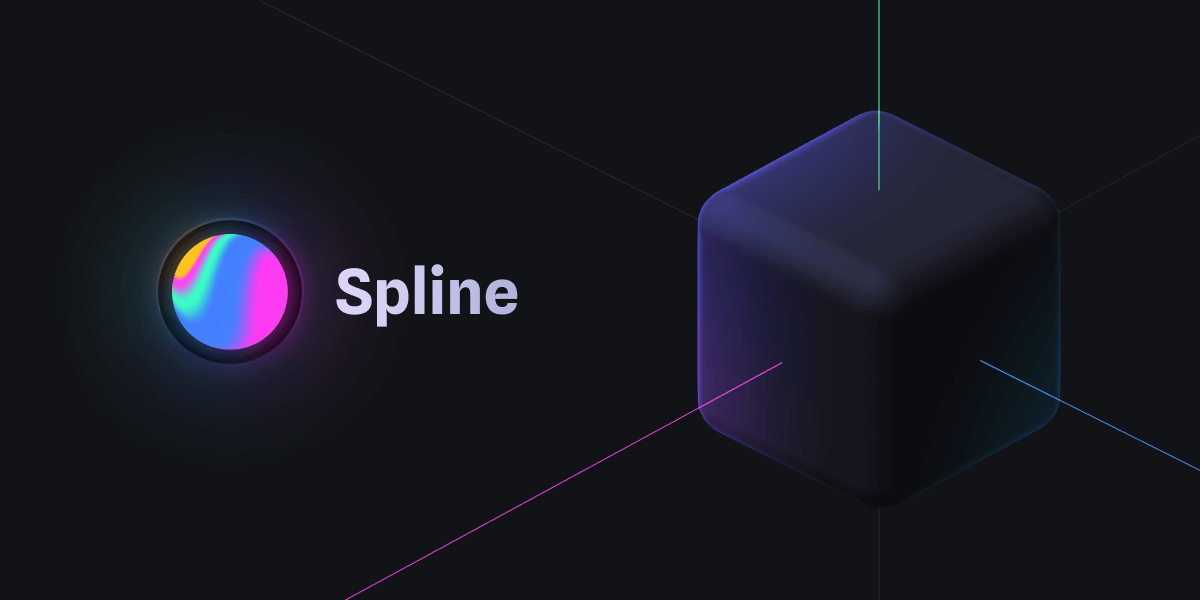
The project builds on Omma's multi-agent workflow, which Spline launched in March, enabling the platform to orchestrate code generation, 3D mesh creation, and shader programming simultaneously.
Omma's Growing Shader Library
This demonstration follows several recent examples of Omma handling advanced graphics programming. The platform previously showcased its ability to build WebGL grids with GLSL shaders and canvas transitions, and has highlighted real-time path tracing experiments using WebGPU.
The cloud infrastructure concept demonstrates practical application of these capabilities for product marketing sites. The morphing grid visualization could serve as an engaging hero section for SaaS platforms, DevOps tools, or infrastructure providers looking to visualize their service architecture.
For developers interested in similar aesthetic treatments, the RGB sub-pixel shader technique offers a way to add nostalgic visual flair while maintaining modern 3D rendering performance. The combination of pixelation and bloom creates a distinctive look that stands apart from typical flat or minimalist web design.
Platform Capabilities
Omma's approach to shader generation fits within its broader toolkit for building interactive web experiences. The platform supports industry-standard libraries including Three.js, React Three Fiber, and Tailwind CSS, allowing developers to extend AI-generated code with custom functionality.
The demonstration also showcases Omma's ability to handle real-time morphing and state transitions within 3D scenes, capabilities that extend beyond static model generation into interactive animation programming. This positions the platform as a tool for creating production-ready marketing sites and product demos rather than just prototyping environments.
Spline has made the live demo available, though specific performance metrics and browser compatibility details were not disclosed in the announcement. The company continues positioning Omma as a bridge between natural language descriptions and production-ready web experiences, with each new demonstration expanding the documented range of visual effects and interaction patterns the platform can generate.
Sources
1 checkedHow we cover tool news: Create With's tool desk drafts these reports with AI from the sources listed above and checks them against those sources before publishing.


 Supabase