 PostHog
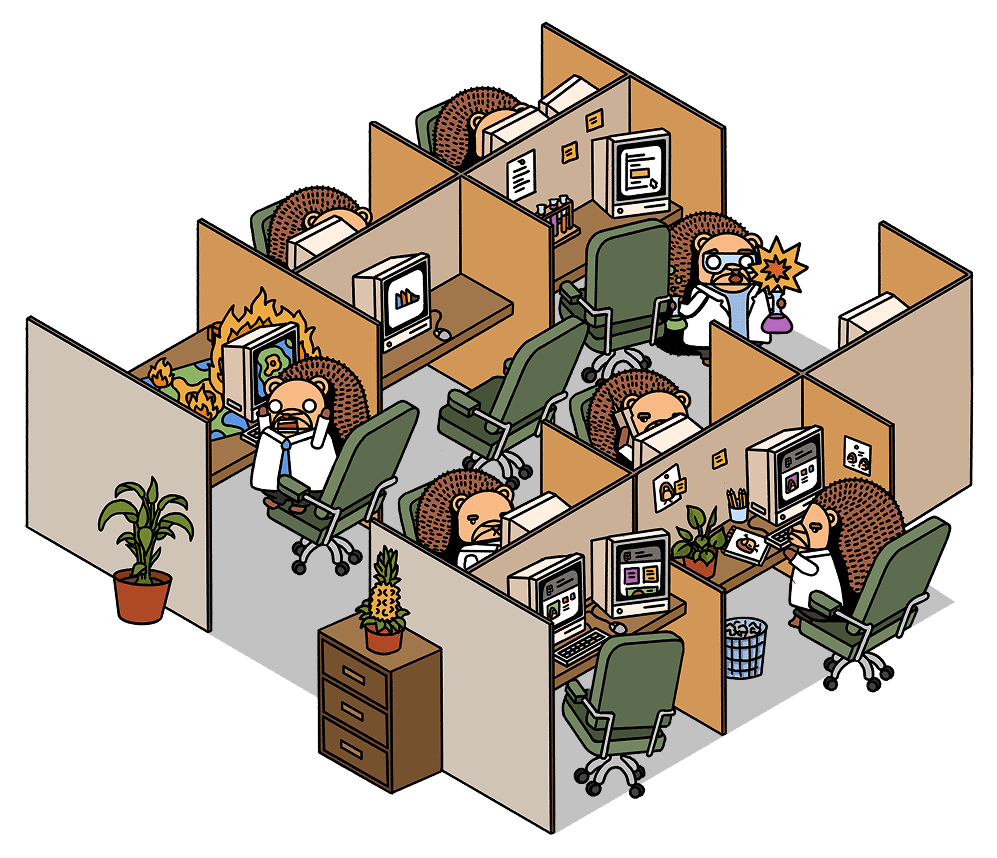
PostHog has shipped a workflow that lets autonomous agents find, fix, and ship product improvements without waiting for user instructions. The open-source analytics platform spent the past year building a closed loop that collects data, clusters signals, checks memory, notifies workers, executes tasks, reviews changes, and evaluates impact before writing results back to memory.
The system addresses a problem general-purpose coding agents cannot solve: context that lives outside the agent itself. PostHog Code pulls in product data, tracks state across multiple runs, and schedules evaluations that run hours or days after a pull request merges. If a change did not move the target metric, the work gets automatically reverted.
Five Components That Close the Loop
PostHog wired in five specific capabilities to make the self-driving loop operational. First, signals from real product data get clustered into ranked reports. Errors, session replays, and external events are not dumped into an inbox; they are grouped and prioritized so the agent knows what to tackle first.
Second, memory persists across runs. Without it, the agent would reopen the same pull request every week and charge for duplicate work. Third, evaluation runs as a long-running job. PostHog Code schedules evaluations as Temporal jobs that re-query metrics after a PR merges. If the metric did not improve, the change is rolled back.
Fourth, parallelism. The split-screen Command Center handles up to nine agents simultaneously, which PostHog engineers have nicknamed "dopamine mode." Fifth, default product wiring. One-click instrumentation drops events, feature flags, and experiments into the codebase without developers typing boilerplate.

What Self-Driving Actually Means
PostHog defines "self-driving" as autonomy from user instruction, not autonomy from engineers. The goal is to automate the 1% gains: bug fixes, interface paper cuts, and minor conversion tweaks. Engineers remain in the loop for work that requires human judgment, but the agent picks up repetitive tasks that would otherwise sit in a backlog.
This builds on PostHog's recent moves to embed AI agents deeper into product workflows. The company previously launched in-app pull request management and added a Slack app that lets non-coders ship pull requests from chat. The self-driving loop extends that pattern by removing the need for a human to initiate the process.
Why Context Matters More Than Model Capacity
General-purpose coding agents struggle with this workflow because they lack access to the surrounding product infrastructure. PostHog Code integrates directly with the analytics pipeline, so the agent can query session replays, read feature flag configurations, and check experiment results. That context determines which tasks are worth pursuing and how to measure success.
The evaluation step is particularly important. Most AI coding tools ship a change and move on. PostHog Code waits for real usage data, checks whether the target metric improved, and reverts the change if it did not. That feedback loop prevents the agent from accumulating low-quality changes over time.
Availability and Next Steps
PostHog Code is available now as part of the broader PostHog platform. Teams can start using the self-driving loop by connecting their product data and configuring which signals to prioritize. The system works best when instrumentation is already in place, which is why PostHog emphasizes one-click setup for events and flags.
The company has not disclosed pricing for the agent features separately from the core analytics product. Existing PostHog users can access Code through the same dashboard they use for product analytics, session replay, and feature management.
Sources
1 checkedHow we cover tool news: Create With's tool desk drafts these reports with AI from the sources listed above and checks them against those sources before publishing.


 Zapier


 Supabase
