 Lovable

Mark Miller spent two decades in the music industry watching a problem grow worse: live events needed sound engineers, but qualified professionals were increasingly hard to find. Rather than wait for the talent pool to expand, Miller built his own solution using Lovable, a chat-based development platform.
The resulting app bridges digital control and physical hardware, allowing musicians to manipulate actual faders on a mixing board in real time. Users can upload a reference track, and the system replicates that sound profile during live performances. The approach addresses both the shortage of available engineers and the consistency challenges that come with relying on different technicians across multiple venues.
From Industry Gap to Technical Solution
Miller's background in music production gave him direct exposure to the bottleneck. Live events, from small venue performances to larger productions, typically require experienced sound engineers who understand acoustic dynamics, equipment calibration, and real-time mixing. As demand for live events increased post-pandemic, the shortage became more acute.
Traditional solutions involve either training new engineers, a time-intensive process, or paying premium rates to secure limited talent. Miller's app offers a third path: empowering musicians to handle their own sound with software-guided precision.
The technical challenge involved creating software that could interface with physical mixing hardware while maintaining the responsiveness required for live performance. Mixing boards operate on analog or digital protocols that weren't designed for app-based control, requiring careful integration work.
Building Through Conversation
Miller used Lovable's chat interface to develop the application without writing traditional code. The platform, which generates full-stack web applications from natural language descriptions, allowed him to iterate on functionality by describing desired features and technical requirements.
The reference track upload feature works by analyzing audio characteristics like frequency distribution, compression levels, and spatial positioning. The app then translates those parameters into fader positions and effect settings on the connected mixing board. During live performance, the system maintains those settings while allowing manual adjustments as needed.
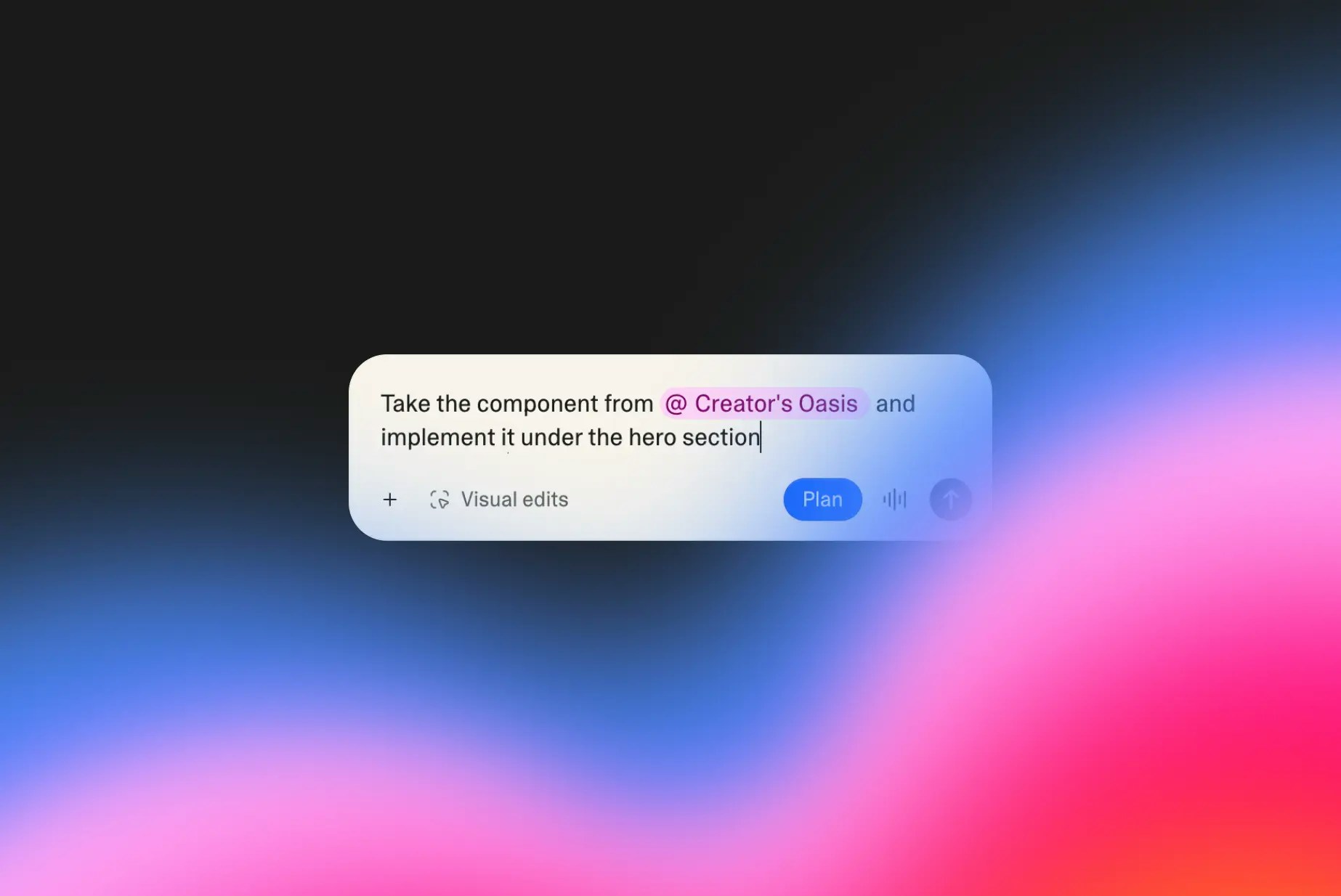
Lovable's approach to development through conversation has enabled users across industries to build specialized tools. The platform recently added cross-project referencing, allowing builders to reuse implementations from previous projects. That capability could prove useful for musicians building on Miller's work or creating complementary tools for live sound management.
Implications for Live Performance
The app represents a shift in how technical roles in live music might evolve. Rather than replacing sound engineers entirely, it could serve as a training tool for less experienced technicians or a backup system when qualified engineers aren't available. Musicians gain more control over their sound, while venues gain flexibility in staffing.
The broader trend toward software-enabled hardware control continues across creative industries. Video production, lighting design, and stage management all face similar challenges: specialized knowledge requirements meeting talent shortages. Tools that lower the technical barrier while maintaining professional quality create new possibilities for smaller productions and independent artists.
Miller's app joins other examples of domain experts using platforms like Lovable to solve industry-specific problems, including a startup that replaced a Salesforce contract with a custom CRM built on the platform. The pattern suggests that vertical-specific software solutions will increasingly come from practitioners rather than traditional software companies.
For the music industry specifically, this type of tool could democratize access to quality sound production. Smaller venues and emerging artists often can't afford top-tier sound engineering, creating a quality gap between major and independent productions. Software that encodes expert knowledge into accessible interfaces helps narrow that divide.
Sources
1 checkedHow we cover tool news: Create With's tool desk drafts these reports with AI from the sources listed above and checks them against those sources before publishing.





 ElevenLabs

 Glide

 Stripe