 Lovable

Lovable has integrated GPT-5.6 into its AI-powered development platform, giving users access to a model optimized for the long, complex workflows required to build production-ready applications.
The company announced on LinkedIn that the new model delivers roughly 25% fewer steps and 35-48% fewer tool calls compared to its predecessor. The update also improves project success rates and reduces stuck runs by 15%, addressing a common friction point when AI agents generate and execute application builds.
Why Efficiency Gains Matter for Production Development
Lovable positions itself as a chat-first interface for building full software products, competing in the vibe coding space alongside tools like Bolt and v0. For developers building production-grade apps rather than prototypes, reliability and execution speed are critical. Fewer tool calls mean less back-and-forth between the AI and the underlying codebase, which translates to faster iteration cycles and fewer opportunities for the agent to lose context or fail mid-build.
The 15% reduction in stuck runs is particularly significant. When an AI agent hits an error it cannot resolve, the entire workflow stalls, requiring manual intervention. By cutting these failures, GPT-5.6 should allow teams to maintain momentum on longer build sessions without constant supervision.
Lovable's Recent Push Into Enterprise and Advanced Workflows
The GPT-5.6 integration comes as Lovable continues expanding its platform for serious development use cases. In June, the company added Claude Sonnet 5 for more efficient and secure builds, and introduced automated project monitoring to catch bugs before they reach users.
The platform also recently launched Workspace Insights, giving enterprise customers visibility into every project being built across their organization. That focus on governance and oversight suggests Lovable is betting on teams using AI agents not just for side projects, but for core business applications where reliability and security matter.
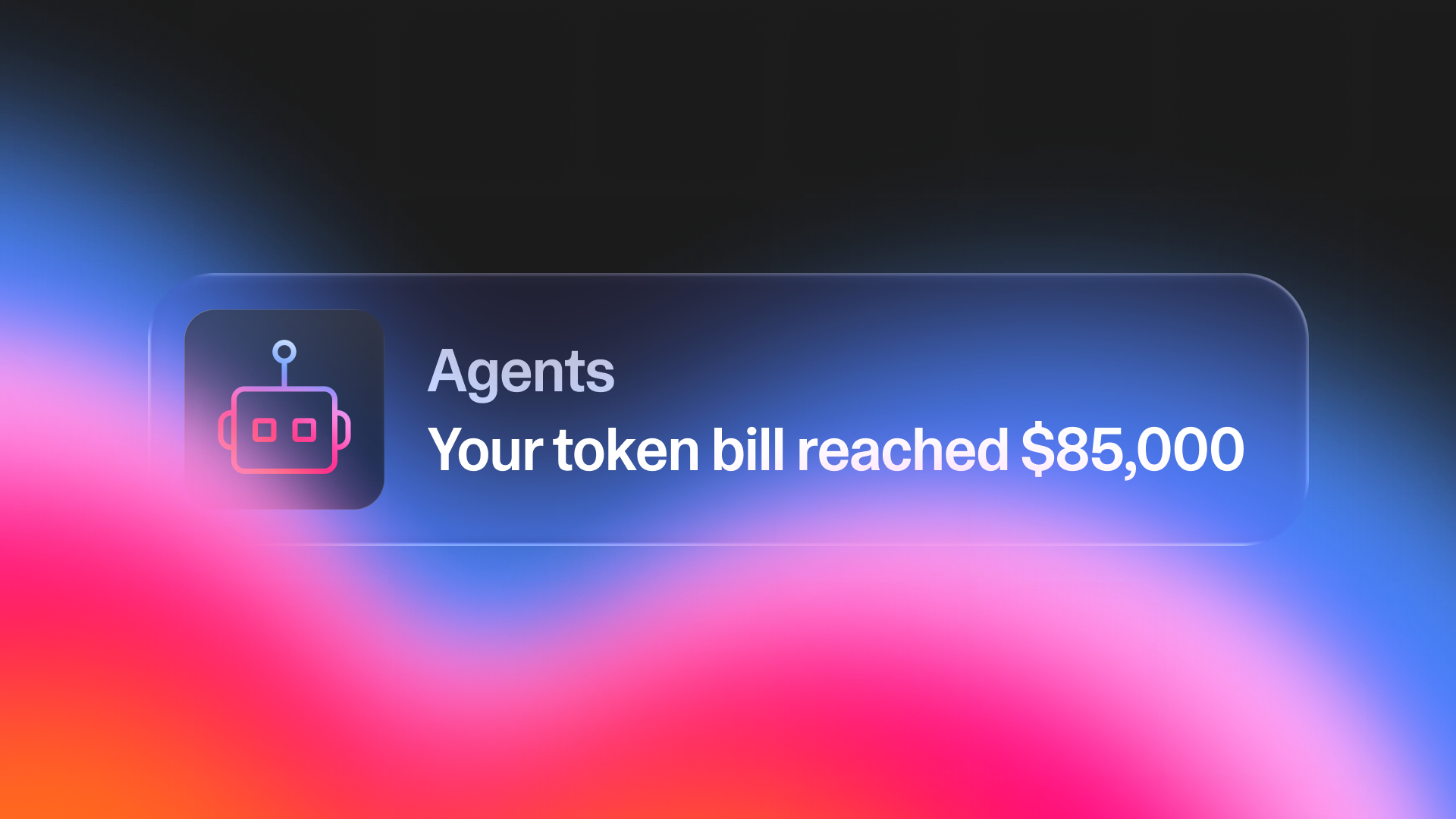
Founder Alexander Lebedev published a blog post detailing how the company spent $85,000 on tokens while scaling agentic coding internally, with AI agents now shipping over 150 pull requests per week. That kind of throughput only works if the underlying models can handle complex, multi-step workflows without constant human rescue.
What This Means for Developers Using Lovable
GPT-5.6 is now available to all Lovable users as a model option within the platform. Developers building apps with longer context requirements or multi-layered architecture should see the most immediate benefit, particularly when working on backend logic, API integrations, or database schema changes that require the AI to maintain coherence across dozens of files.
For teams evaluating Lovable against alternatives like Cursor or Replit, the model upgrade reinforces Lovable's positioning as a platform for end-to-end app development rather than just code assistance. The reduction in tool calls and stuck runs should make it more practical to hand off entire feature builds to the AI, rather than using it solely for incremental edits.
Lovable has not disclosed pricing changes associated with GPT-5.6 access, though the company simplified its billing structure in June to use a single credit balance for building and running apps. The platform continues to support both Supabase and Xano as backend options, with recent additions including connectors for dbt Semantic Layer and ClickHouse for data-heavy applications.
Sources
1 checkedHow we cover tool news: Create With's tool desk drafts these reports with AI from the sources listed above and checks them against those sources before publishing.






 ElevenLabs

 Glide

 Stripe