 Buildship

BuildShip Launches Platform for Custom AI Agent Tools
Buildship announced the launch of buildship.tools, a platform designed to simplify how developers build and deploy custom tools for conversational AI agents. The update addresses a core challenge in agent development: connecting AI systems to external APIs and data sources without writing custom integration code for each use case.
The platform enables developers to create tools that agents can call during conversations. One example BuildShip highlighted is connecting an agent to Linear, a project management tool, to automatically generate conversational changelogs. This kind of integration would typically require building a custom API wrapper, handling authentication, and managing data formatting, a process buildship.tools aims to streamline.
How It Works
Buildship.tools operates as a layer between conversational AI agents and external services. Developers use BuildShip's visual workflow builder to define how data flows between the agent and third-party APIs. The platform handles deployment, hosting, and API endpoint generation automatically.
The approach is similar to how Zapier or Make handle workflow automation, but with a specific focus on agent-compatible tool creation. Instead of triggering workflows on events, buildship.tools exposes functions that agents can invoke when they need to perform actions or retrieve information.
Builders can define input parameters, API calls, data transformations, and response formatting within BuildShip's node-based editor. The platform then packages these workflows into tools that can be registered with agent frameworks like OpenAI's Assistants API or custom agent implementations.
Integration Options
Buildship already supports connections to dozens of services through its node library, including databases like MongoDB and Supabase, communication platforms like Slack and Discord, and data sources like Airtable. The platform also includes HTTP nodes for connecting to any REST API.
For Linear specifically, BuildShip can pull issue data, filter by project or status, and format it into natural language summaries that agents can present to users. This pattern extends to other project management tools: JIRA for enterprise teams, Asana for smaller organizations, or custom internal systems via API.
The platform's changelog automation workflow, released earlier this year, demonstrates how these integrations work in practice. Developers can now extend that pattern to any agent-driven interface.
Deployment and Hosting
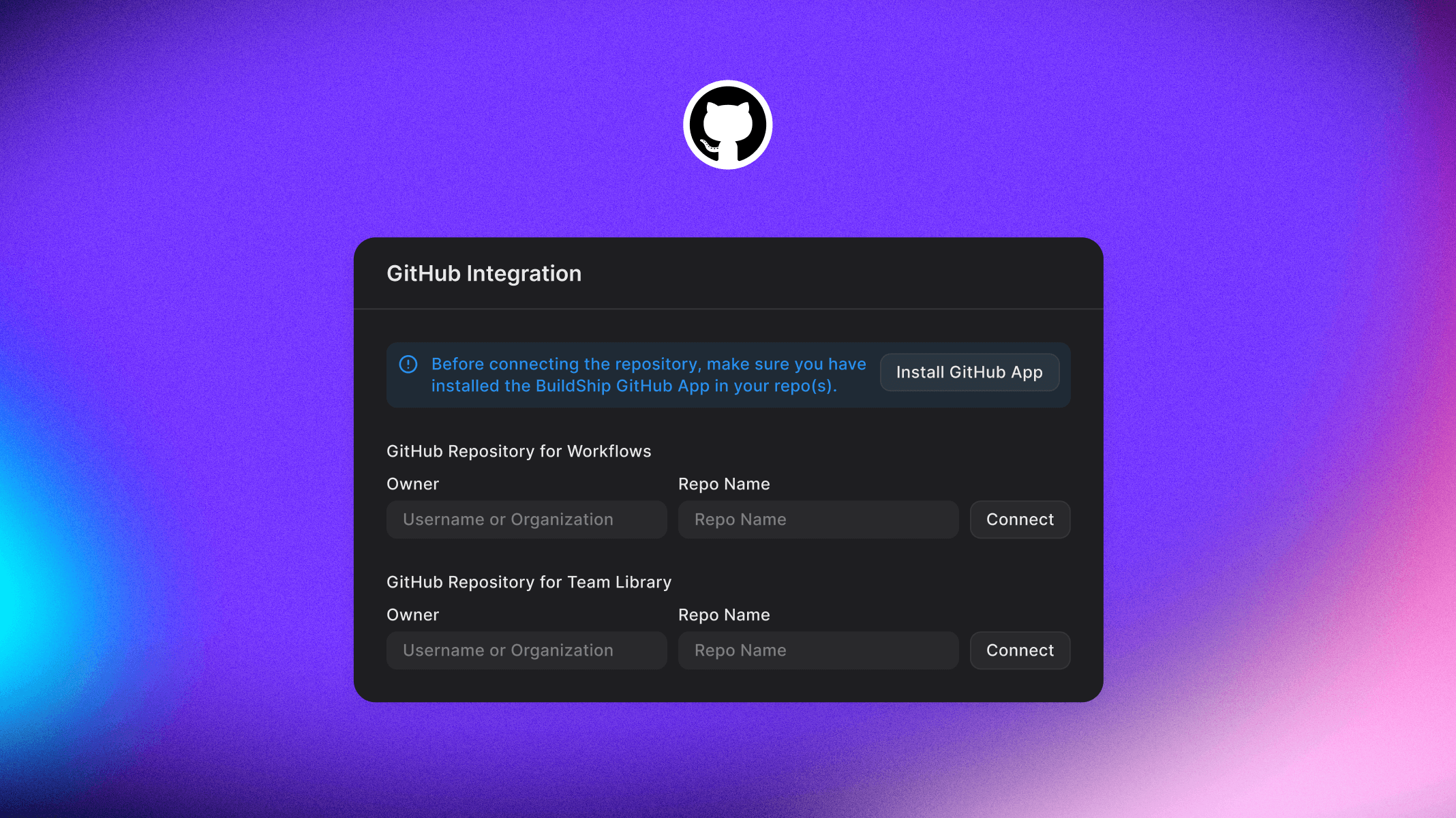
Once a tool is built, BuildShip handles deployment to Google Cloud Run, providing a production-ready API endpoint. The platform manages scaling, monitoring, and version control. Enterprise users can also connect GitHub repositories to push workflows to their own version control systems and trigger deployments via CI/CD pipelines.
Authentication is handled through BuildShip's keyless nodes feature, which stores API credentials securely and injects them at runtime. This removes the need for developers to manage secrets manually or build token refresh logic.
Market Context
The launch comes as agent frameworks proliferate and developers face mounting integration complexity. OpenAI's Assistants API, Anthropic's Claude with tool use, and open-source frameworks like LangChain all require developers to define tools in specific formats. BuildShip.tools abstracts that layer, letting developers focus on what the tool does rather than how it conforms to agent specifications.
Competing platforms like Voiceflow and n8n offer similar agent integration capabilities, but BuildShip's focus on deployment-ready tool creation positions it as a backend infrastructure play rather than just a workflow automation service.
Buildship.tools is available now as part of BuildShip's existing platform. Pricing follows BuildShip's current model, with a free tier for development and paid plans for production usage based on execution volume.
Sources
1 checkedHow we cover tool news: Create With's tool desk drafts these reports with AI from the sources listed above and checks them against those sources before publishing.


 Supabase