 Buildship

Buildship Tackles Survey Fatigue with Voice-First Approach
Buildship has released an AI voice survey agent that the company claims delivers three times the performance of traditional form-based surveys like Google Forms. The tool lets users respond to questionnaires by speaking naturally instead of typing, capturing both verbal responses and emotional tone.
The agent adapts its questions based on user answers, follows a predefined questionnaire structure, and streams data directly into spreadsheets. Buildship attributes higher completion rates to the reduced friction of voice input compared to manual text entry.
How It Works
The voice survey agent is built on three components: ElevenLabs for voice processing, Buildship's workflow engine for orchestration, and Bolt for the interface. The system processes spoken responses in real time, interprets answers to determine follow-up questions, and maintains conversation flow without requiring users to navigate form fields.
Buildship has made the tool available as a remix template, allowing users to customize the questionnaire and integrate it with their own data destinations. No coding is required to deploy or modify the workflow.
Voice as Data Collection Layer
The shift to voice input addresses a persistent challenge in survey design: abandonment rates. Traditional forms suffer from fatigue as users type long-form answers or navigate dropdown menus. Voice interfaces lower this barrier by letting users speak conversationally.
The emotional tone capture adds a layer of qualitative data that text-based surveys cannot easily provide. While the accuracy and reliability of emotion detection will vary by use case, the feature could prove useful for customer feedback, user research, or sentiment analysis.
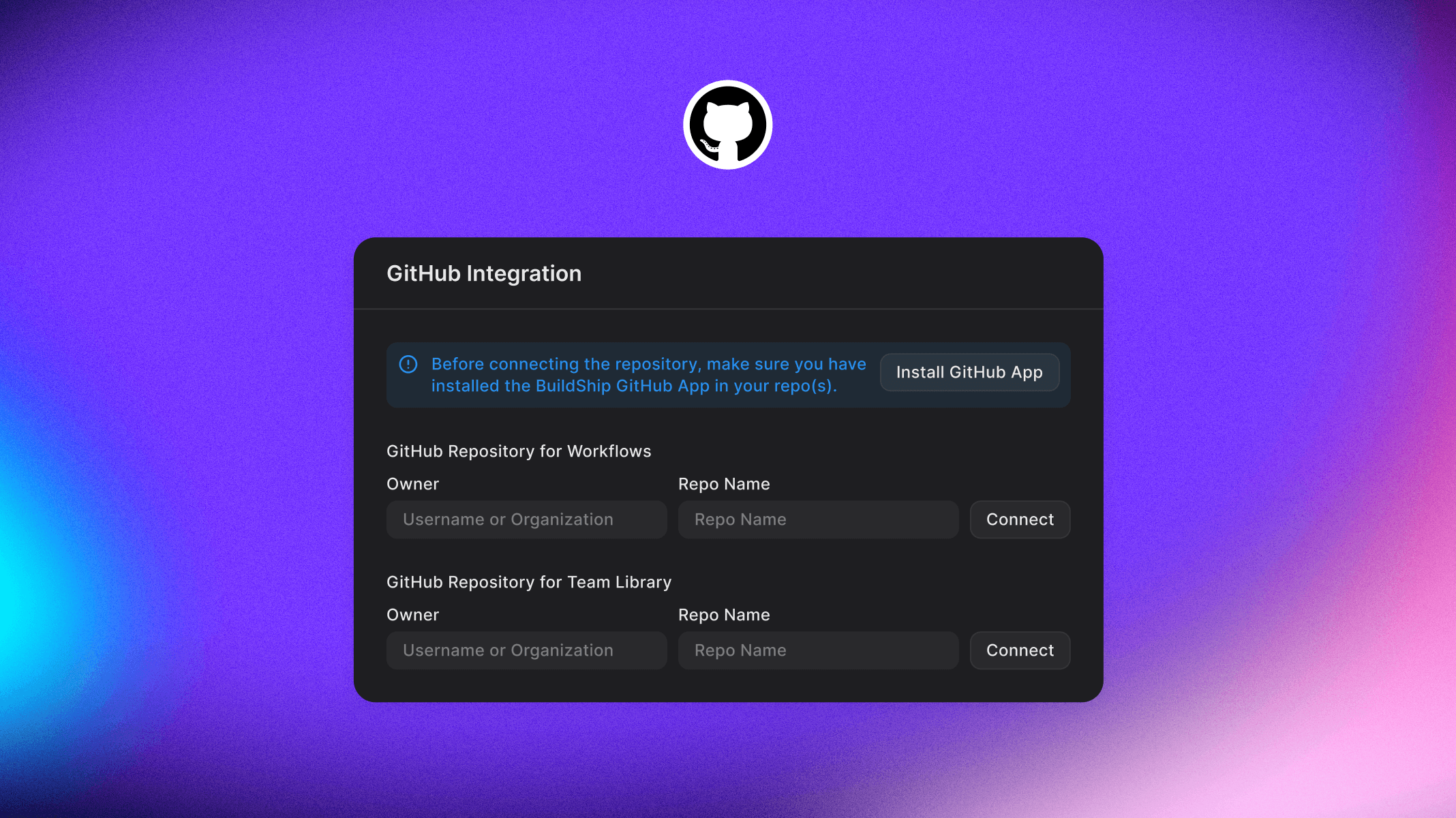
Buildship's release follows the company's pattern of shipping workflow templates that combine multiple AI services. The platform recently added GitHub integration and compact mode for managing complex automation flows.
Implications for Form Builders
The voice survey agent represents a broader trend toward conversational data collection. Tools like Typeform and Tally Forms have introduced chat-like interfaces to improve engagement, but voice takes this further by eliminating typing entirely.
For businesses conducting customer research, employee feedback, or market surveys, voice may offer faster data collection and richer insights. The challenge will be balancing convenience with privacy concerns, as voice recordings carry more sensitive information than text responses.
Buildship's implementation runs on its low-code workflow platform, making it accessible to teams without engineering resources. The tool connects to standard data storage options, allowing organizations to plug it into existing analytics pipelines.
The company has not disclosed whether the voice survey agent will become a paid feature or remain part of its template library. The remix link provided in the announcement allows immediate access to the workflow for testing and customization.
Sources
1 checkedHow we cover tool news: Create With's tool desk drafts these reports with AI from the sources listed above and checks them against those sources before publishing.


 Supabase