 Adalo
Most businesses run on spreadsheets. Google Sheets tracks inventory, Excel manages customers, but when field teams need that data on mobile, the limitations become obvious. The standard solution has been building progressive web apps on top of spreadsheet data, but those come with significant constraints.
Adalo hinted on LinkedIn that it is preparing to address a fundamental gap in the no-code market: creating true native mobile apps from spreadsheet data. While the company has not announced a launch date, the post signals a shift from the web-based wrappers that currently dominate the space.
The Progressive Web App Limitation
Existing spreadsheet-to-app tools typically generate progressive web apps, browser-based interfaces that mimic native apps but lack their core advantages. These web apps cannot be published to the Apple App Store or Google Play, suffer from slower load times, and offer limited offline functionality. Users must remember URLs rather than tapping app icons on their home screens.
For businesses with field teams, delivery drivers, or customer-facing operations, these limitations matter. Native apps load instantly, work offline, and integrate seamlessly with device features like cameras and GPS. The performance difference between a progressive web app and a native app becomes critical when employees are on job sites without reliable connectivity.
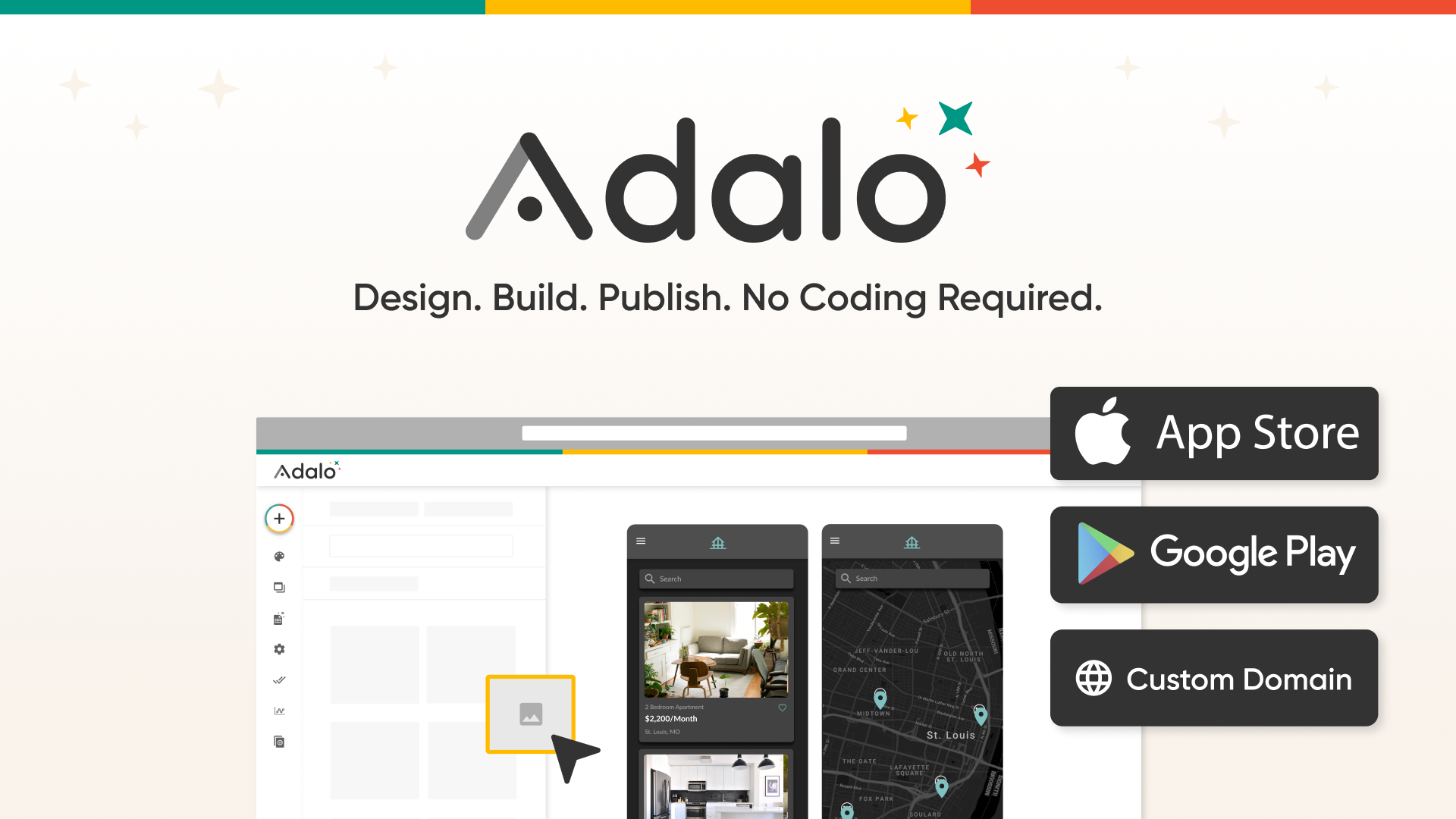
Adalo already offers native app publishing for apps built in its platform, as highlighted in their product features. The company also markets Google Sheets integration and Excel connectivity as existing capabilities. The LinkedIn post suggests these features may be converging into a more streamlined workflow.
What Native Mobile Means for Operations
Real native apps deliver fundamentally different performance. They install directly on devices, enabling instant access without network requests for UI elements. Offline-first architecture means data can be captured and synced later, critical for industries like construction, healthcare, or logistics where connectivity is intermittent.
Native apps also integrate with device hardware in ways web apps cannot match. Barcode scanning for inventory, GPS tracking for deliveries, or camera integration for documentation all perform better through native implementations. These capabilities transform how field operations can use mobile technology.
Competitors like Glide and Softr focus primarily on progressive web apps built from spreadsheet data. Bubble offers more complex app building but with a steeper learning curve. Thunkable provides native app creation but without the direct spreadsheet sync positioning.
Market Positioning and Developer Support
Adalo has been building its educational infrastructure alongside product development. The company offers office hours for builders, providing direct feedback on app projects. Recent tutorials have focused on connecting databases to screens and optimizing app architecture.
The LinkedIn post frames the upcoming feature as filling a specific market need: businesses already operating on spreadsheets who need mobile access without rebuilding their entire data infrastructure. Rather than forcing a migration to a new database system, the approach would let teams keep their existing spreadsheet workflows while gaining native mobile functionality.
Adalo has not provided a timeline or detailed feature specifications. The company's existing capabilities around Airtable integration suggest experience with external data sources, but translating that into a seamless native app publishing workflow requires additional infrastructure.
The announcement arrives as no-code platforms increasingly compete on data source flexibility and deployment options. The ability to maintain spreadsheet-based operations while delivering app store-quality mobile experiences could differentiate Adalo in a crowded market, particularly for businesses hesitant to overhaul familiar workflows.
Sources
1 checkedHow we cover tool news: Create With's tool desk drafts these reports with AI from the sources listed above and checks them against those sources before publishing.

 Supabase