 Wix
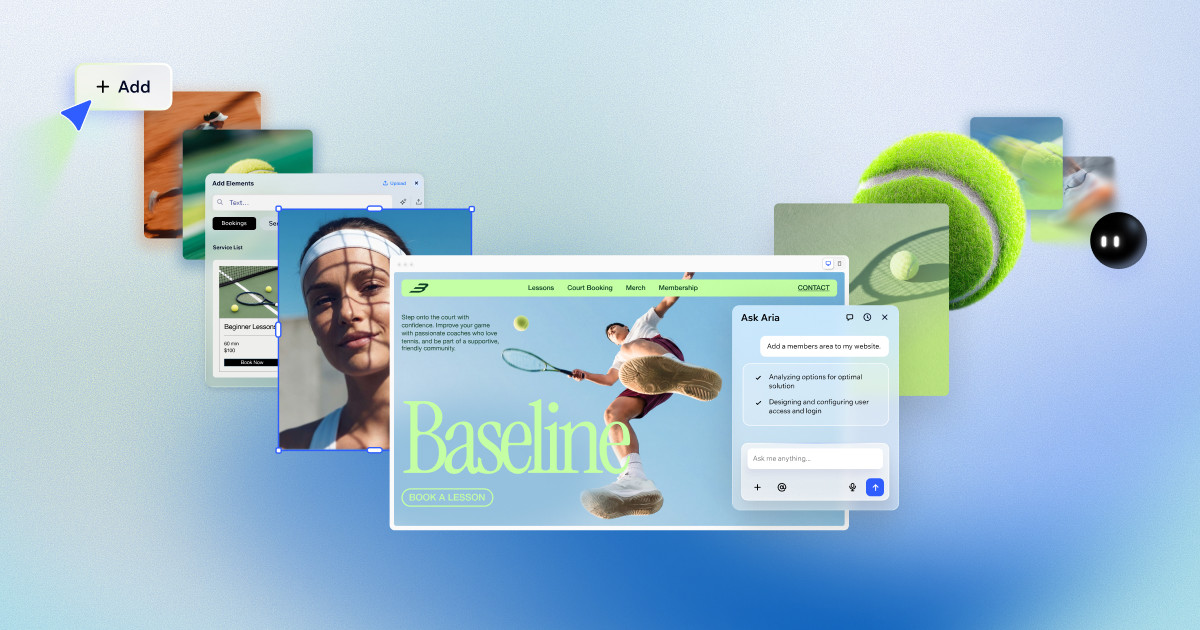
Wix mobilized its entire engineering organization on July 9 for what it calls Headless Day, a company-wide building sprint with a single goal: create 1,000 Wix Headless sites in 24 hours.
The initiative, kicked off by engineering leader Itay Shmool, represents a large-scale internal push to demonstrate the capabilities of Wix Headless, the platform's API-first offering that allows developers to build fully custom frontends while tapping into Wix's business infrastructure for eCommerce, bookings, payments, and events. All projects created during the sprint will be added to a public GitHub repository, providing working examples for developers and AI agents building with Wix APIs.
Why Wix Is Building in Public
The strategy behind Headless Day extends beyond internal testing. By open-sourcing real implementations, Wix is building a library of reference architectures that address a persistent pain point in headless commerce: the gap between API documentation and production-ready code.
Developers frequently struggle to bridge theoretical API capabilities with practical implementation patterns. A repository of 1,000 diverse projects, each solving different use cases with Wix's backend services, could dramatically compress learning curves for teams evaluating headless options.
The approach also positions Wix to compete more directly with Stripe and other API-first platforms that have built developer ecosystems around example code and starter projects. Wix partnered with Stripe earlier this year to integrate its business backend with Stripe Projects CLI, a move that signaled its intent to court developers building custom storefronts.
Headless as a Second Platform
Wix Headless, which launched as an enterprise backend for AI-driven teams, offers a different value proposition than Wix's traditional drag-and-drop builder. Where the classic Wix editor targets small business owners and non-technical users, Headless targets development teams that want infrastructure without vendor lock-in.
The split mirrors the broader market: platforms like Webflow, Framer, and Squarespace serve visual builders, while headless CMS and commerce platforms compete for developer mindshare. Wix is attempting to serve both.
By dedicating an entire day to internal headless development, Wix is effectively dogfooding its own API platform at scale. The move also generates a large corpus of training data for AI models, following Wix's launch of a custom AI model trained on two decades of website data.
What 1,000 Sites Proves
The ambition to build 1,000 sites in a day is more proof-of-concept than product development. The real output is not the sites themselves but the diversity of implementations and the signal it sends about API maturity. If Wix employees across different teams can build functional headless sites in hours, the platform's developer experience has reached a threshold of usability that could attract external adoption.
The GitHub repository will also serve as a marketing asset. Open-source example projects reduce friction for teams evaluating headless platforms, particularly when those projects cover edge cases and integrations beyond what official documentation typically addresses.
Whether the initiative converts to measurable developer adoption remains to be seen. But the willingness to pause regular engineering work for a coordinated building sprint suggests Wix views headless not as a side project but as a strategic pillar for its next phase of growth.
Sources
1 checkedHow we cover tool news: Create With's tool desk drafts these reports with AI from the sources listed above and checks them against those sources before publishing.



 Supabase


