 Notion

Notion has invited developers to a May 13 event to preview its new developer platform, signaling the company's move to expand how third-party builders integrate with its all-in-one workspace. The announcement, shared via LinkedIn and a dedicated landing page, offers few specifics but emphasizes collaboration with the developer community.
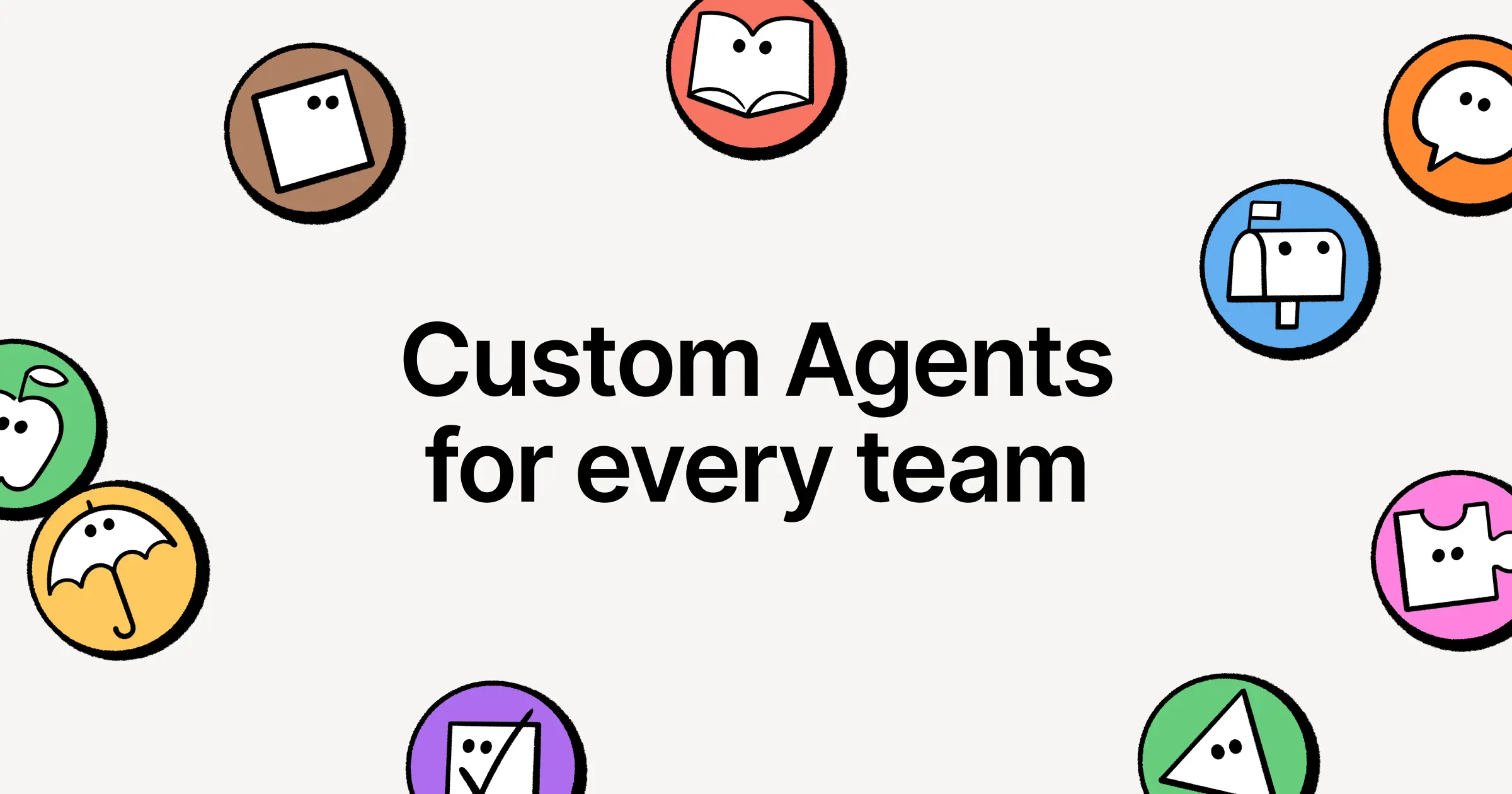
The timing follows Notion's aggressive push into AI-powered workflows, including Custom Agents that handle multi-step tasks and recent integrations like Grok via MCP. A formal developer platform could provide the infrastructure for builders to create integrations, plugins, or tools that extend Notion's capabilities beyond what the company ships natively.
What a Developer Platform Could Mean
Notion already offers an API that powers integrations with tools like Zapier and Make, but a dedicated platform suggests deeper capabilities. Developer platforms typically include SDKs, authentication frameworks, marketplace distribution, and documentation designed for builders creating commercial or open-source extensions.
For Notion, this could mean:
- Official tooling for developers building Notion-native apps, reducing friction compared to working directly with REST APIs
- A marketplace or app directory where users discover third-party integrations
- Webhooks and real-time data access for building responsive workflows triggered by database changes or page edits
- Embedding capabilities that let developers surface Notion content inside other tools, or vice versa
The platform could also provide better support for no-code builders using tools like Bubble, Softr, or Glide, which already connect to Notion databases but rely on workarounds for advanced functionality.
Competitive Context
Notion competes with workspace tools like Airtable, which has long offered a robust developer ecosystem, and Slack, whose app marketplace became a key growth driver. Both platforms turned third-party integrations into distribution channels, with developers building tools that pulled new users into the ecosystem.
Notion's bet appears similar. By giving developers official pathways to build on Notion, the company could accelerate feature development without directly maintaining every integration. It also aligns with Notion's broader AI strategy, where Custom Agents already automate workflows by connecting to external data sources. A developer platform could extend that model, letting builders create agents or automations tailored to specific industries or use cases.
What Developers Should Watch For
The May 13 event will likely reveal whether Notion is launching a full-featured platform or starting with a narrower set of tools. Key questions include:
- Will Notion offer revenue-sharing or monetization paths for developers?
- How will the platform handle authentication and permissions, especially for Enterprise customers?
- What level of access will developers get to Notion's AI features, including agents and search?
- Will there be sandbox environments or testing tools for building integrations before public release?
Notably, the landing page includes a link to FAQs, though those details are not yet public. Developers interested in attending or learning more can register via Notion's event page.
For teams already building on Notion or evaluating it as a workspace layer, this platform could determine whether Notion becomes a hub for custom tooling or remains primarily a consumer of external integrations. The May 13 reveal will clarify how serious Notion is about courting developers and whether it can compete with platforms that have long staked their growth on third-party ecosystems.
Sources
1 checkedHow we cover tool news: Create With's tool desk drafts these reports with AI from the sources listed above and checks them against those sources before publishing.







 ElevenLabs

 Glide

 Stripe