Netlify

Netlify shipped a bundle of product updates in March that center on faster project setup and tighter governance over AI-powered workflows. The headline feature lets users generate and deploy a site directly from a text prompt, eliminating several manual setup steps.
The company announced the updates on LinkedIn, positioning the prompt-based project creation as the most significant change. Users can now describe a site or application in natural language, and Netlify will scaffold the project, configure deployment settings, and push it live without requiring manual repository setup or framework selection.
Reusable Templates and Team Roles
Netlify also introduced reusable templates, allowing teams to package configurations, environment variables, and build settings into starter projects. This addresses a common pain point for agencies and internal platform teams that repeatedly deploy similar architectures. Templates can be shared across workspaces or published for broader use.
A new Internal Builder role adds granular permissions for team collaboration. The role is designed for developers who need build access but shouldn't have full administrative control over billing, domain management, or team settings. It sits between the existing Developer and Owner roles, giving platform teams more control over who can trigger deploys and modify site configurations.
Framework and AI Infrastructure Updates
The March release includes native support for Astro 6, the latest version of the static site generator. Netlify now detects Astro 6 projects automatically and applies optimized build settings without requiring manual configuration. The integration follows recent updates to Netlify's AI Gateway, which added support for OpenAI's GPT-5.5 Instant model with zero-config deployment.
Netlify also rolled out AI usage controls that let teams set spending caps, monitor token consumption, and restrict which models can be accessed through the AI Gateway. Admins can now define per-project or per-team limits to prevent runaway costs or unauthorized model usage. The controls integrate with Netlify's existing analytics dashboard, surfacing AI spend alongside standard hosting metrics.
Codex Integration for Agent Workflows
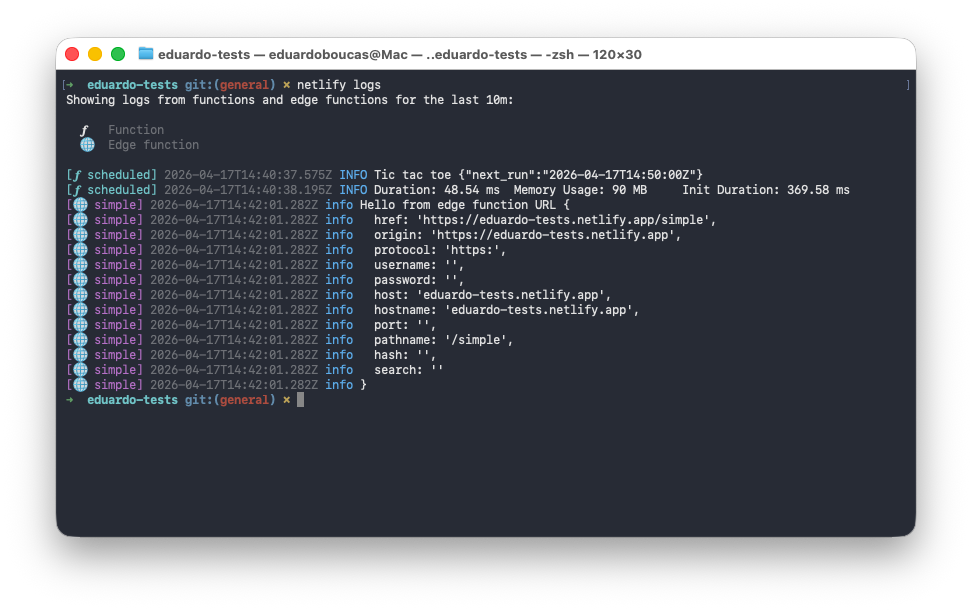
The update also includes an integration with Codex, a tool that helps AI agents interact with deployment infrastructure. The integration allows agents to read build logs, trigger deploys, and query site metadata through a structured API. It builds on Netlify's broader push into agent-friendly infrastructure, which the company positioned as a bridge from AI setup to production in a recent blog post.
Netlify did not provide specific pricing details for the new features, though the Internal Builder role and AI usage controls are likely gated to team and enterprise tiers. The prompt-to-project feature appears to be available across all plan levels, though usage limits may apply.
The updates arrive as deployment platforms compete to reduce friction for both human developers and AI agents. Vercel, Netlify's closest competitor, has similarly invested in AI-powered scaffolding and agent-accessible APIs. The march toward prompt-based infrastructure suggests the traditional Git-to-deploy workflow may become one option among several, rather than the default entry point for new projects.
Sources
1 checkedHow we cover tool news: Create With's tool desk drafts these reports with AI from the sources listed above and checks them against those sources before publishing.




 Stripe
 Supabase