 Intercom

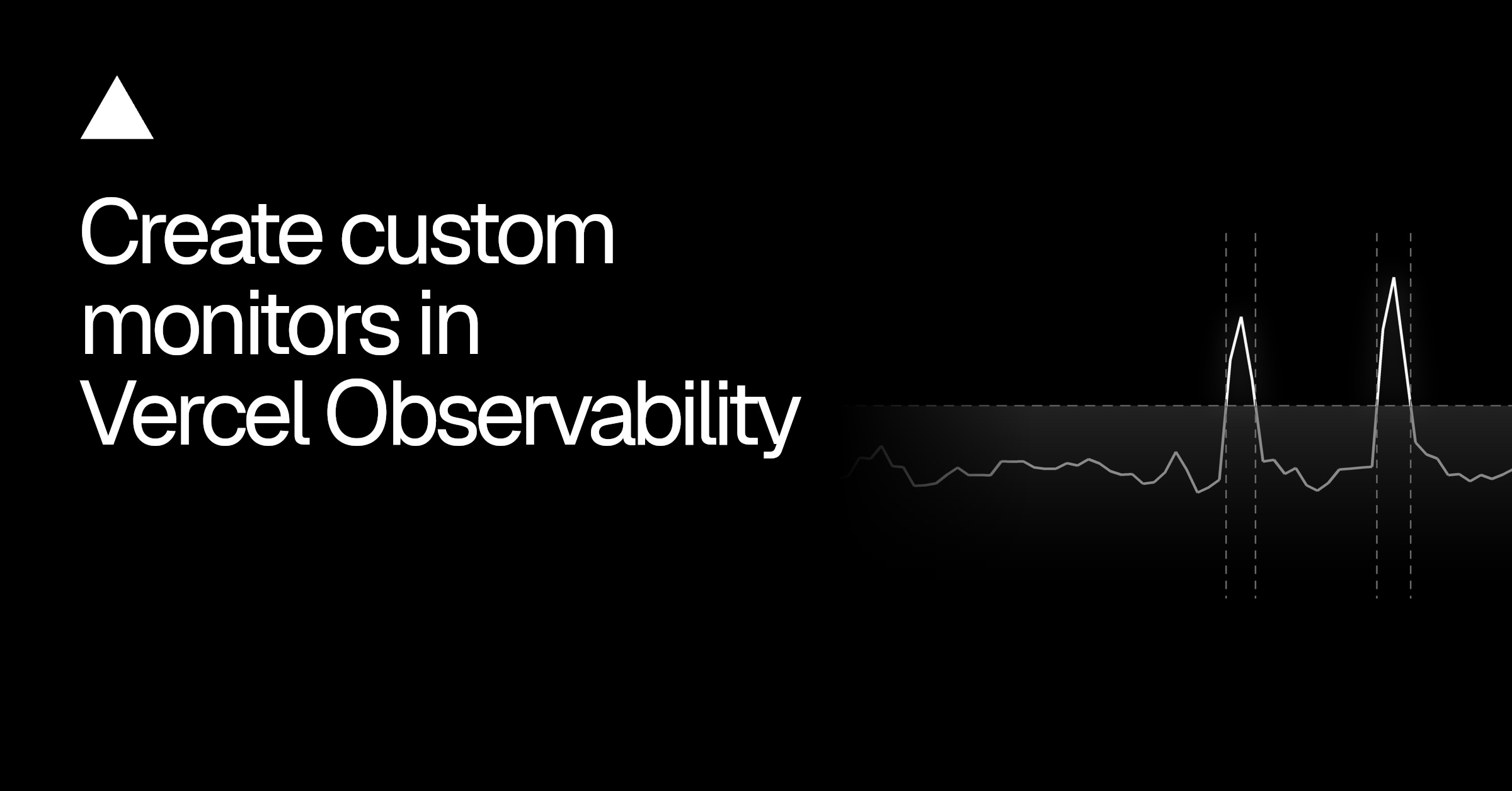
Intercom has launched Monitors, a new observability suite within its Fin AI agent platform, designed to address one of the biggest challenges facing teams deploying AI at scale: understanding what happens behind the scenes when AI handles customer conversations.
The announcement comes as Fin resolves 2 million customer queries every week across Intercom's customer base. According to CPO Paul Adams, that volume demands a level of confidence and control that existing AI systems haven't provided. Monitors aims to change that by opening what Adams calls "the black box" of AI agents.
What Monitors Does
Monitors gives support teams real-time visibility into how their AI agents perform across conversations. The feature tracks specific criteria that teams define, such as whether the AI correctly identified customer intent, followed brand guidelines, or escalated appropriately to human agents.
Teams can set up custom monitors tailored to their business rules and quality standards. When Fin's responses fall outside those parameters, Monitors flags the conversation for review. This lets teams spot patterns in AI performance, identify edge cases where the model struggles, and refine their AI's behavior systematically.
The feature fits into what Intercom calls the Fin Flywheel, a continuous improvement cycle where teams train their AI, test it, deploy it, and analyze results to inform the next round of training. Monitors sits in the analyze phase, alongside Insights and Recommendations, giving teams the data they need to make informed decisions about AI tuning.
Why Observability Matters for AI Agents
As companies like Crisp and Intercom push AI agents into production to handle millions of customer interactions, the lack of transparency in how those agents operate has become a meaningful barrier. Unlike traditional software where every step is deterministic and traceable, AI models generate responses that can vary based on subtle differences in input or model state.
For support leaders managing AI alongside human teams, this creates risk. Without observability tools, it's difficult to know whether an AI agent is drifting from intended behavior, handling edge cases poorly, or creating customer experience problems that won't surface until much later.
Intercom's approach with Monitors addresses this by making AI behavior auditable. Teams can define what good looks like, measure it, and course-correct when the AI strays. That's especially important as Intercom has automated 81% of its own support using Fin, a level of automation that demands robust quality controls.
What This Means for Support Teams
The practical impact of Monitors is that support teams can manage AI agents more like they manage human agents. They can spot training gaps, refine playbooks based on real conversation data, and build confidence that their AI is operating within acceptable parameters.
For teams already using Fin, this adds a layer of control that wasn't previously available. For teams evaluating AI agents, it addresses a common objection: the fear of deploying a system you can't fully understand or control.
Intercom demonstrated Monitors at Fin Labs Paris, where product lead Liz Moy walked through how teams can configure monitors, review flagged conversations, and use that data to improve AI performance over time. The feature is available now within Fin as part of Intercom's broader push to make AI agents more transparent and manageable at scale.
Sources
1 checkedHow we cover tool news: Create With's tool desk drafts these reports with AI from the sources listed above and checks them against those sources before publishing.

 Zapier

 Supabase