 PostHog

PostHog shipped 116 pull requests to production in two weeks using a new Slack app that turns natural language commands into working code. The beta tool, detailed in a blog post by product manager Cleo Lant, lets users tag @PostHog in Slack with instructions like "fix this" or "build that," and the agent generates a sandbox environment, writes code, runs tests, and opens a draft pull request.
The most significant outcome isn't the automation itself, but who's using it. Technical account managers, marketers, and product managers are now contributing directly to PostHog's codebase without writing code themselves.
Contributions Across the Org Chart
A technical account manager added a complete notebooks feature with 20 test cases that merged within 24 hours. Marketing team members use the agent to update blog posts and handbook entries across multiple repositories, including uploading images. Product managers request prep work for user interviews, and the agent returns account value data, usage metrics, and even identifies feature flag misconfigurations worth discussing.
Paul Graham, on the executive team, uses the tool to systematically address UI papercuts users report across the application. The changes span PostHog's AI Observability, Session Replay, Error Tracking, Feature Flags, billing systems, Model Context Protocol integration, Data Warehouse, and website.
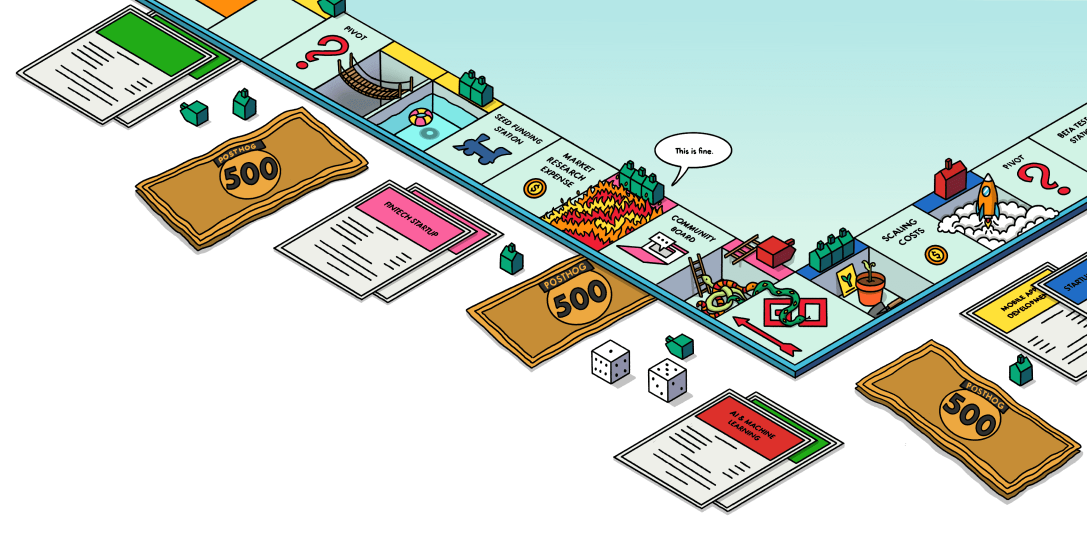
The agent operates with cross-repository awareness, meaning a single request can trigger changes across PostHog's documentation, marketing site, and core product repos. This eliminates the traditional handoff between teams when a simple content update requires touching multiple codebases.
How the Sandbox Model Works
Every request spins up an isolated sandbox environment. The agent analyzes the request, generates a plan, edits the relevant files, runs automated checks including tests and linting, then surfaces a draft PR for human review. This workflow mirrors how engineers work, but abstracts away the need to clone repos, set up dev environments, or understand git commands.
The safety model relies on sandboxing and human review rather than restricting who can initiate changes. Non-technical users can explore ideas and prototype features without risking production stability. Engineers still review PRs before merging, but the barrier to contribution drops dramatically.
This follows PostHog's recent integration with Synscribe and their work on AI-powered error tracking, positioning the analytics platform as both a user and aggressive adopter of agentic workflows.
Beta Access and Production Use
PostHog is running the Slack app in production internally and offering beta access to select users. The company hasn't announced broader availability timelines, but the volume of merged PRs suggests they're treating this as a core workflow tool rather than an experimental side project.
The implications extend beyond PostHog's specific use case. If non-engineers can safely contribute code to a complex production analytics platform, the traditional boundaries between engineering and other functions may be dissolving faster than most teams expect. The 116 merged PRs in two weeks suggest this isn't a demo, it's how PostHog now ships software.
Sources
1 checkedHow we cover tool news: Create With's tool desk drafts these reports with AI from the sources listed above and checks them against those sources before publishing.





 ElevenLabs

 Glide

 Stripe