Skip to content
All tool news

Tool desk · Updated daily

Tool news·Notion·

Notion Lets Muse Track Tasks and Move Projects Forward.

Notion now lets Muse track to-dos, pull workspace context and move projects along through a new AI assistant integration.

CW

Create With tool desk

4 sources checked · 2 min read · 3 sections

ShareLinkedIn
Notion Lets Muse Track Tasks and Move Projects Forward

Muse can now use Notion to track to-dos, retrieve context and move projects along. Users can give the AI assistant instructions covering each of those jobs.

The update appeared in a short LinkedIn announcement. It presents the connection through three requests: ask Muse to keep track of work, find relevant information or help progress a project.

The connection gives Muse access to work held in Notion. Its announced uses cover both retrieving existing context and handling ongoing project tasks.

What Muse Can Do With Notion

The announcement names three uses for the integration. Each starts with an instruction to Muse and involves information or work in Notion.

Request to MuseJob in Notion
Keep track of to-dosTrack outstanding work
Pull contextRetrieve relevant information
Move projects alongAct on ongoing project work

The context request covers information retrieval. The to-do request covers task tracking. The third use is broader, with Muse able to help move an existing project forward.

These jobs can also be combined in one working process. Muse can retrieve the background held in Notion, keep track of the resulting tasks and continue working with the project information. All three uses were included in the initial announcement.

Notion Expands Its Agent Connections

Notion already provides separate agent tooling through its developer platform. Builders can create custom tools for Notion Agents that generate assets, query live data and call APIs. Its Workers system can also sync external records into a Notion database.

The Muse connection adds another AI assistant to that wider set of agent features. Notion also supports Custom Agents that can call sub-agents and default agent instructions across workspaces.

Frequently asked questions

What is Muse in Notion?

Muse is an AI assistant that can now use Notion. Users can ask it to track to-dos, retrieve context and move projects along.

What can Muse do with Notion projects?

Muse can pull project context and keep track of to-dos. It can also be instructed to move projects along.

When is Muse available in Notion?

Notion announced the connection. The announcement does not name eligible plans, pricing or rollout timing.

Sources

4 checked

How we cover tool news: Create With's tool desk drafts these reports with AI from the sources listed above and checks them against those sources before publishing.
Worth passing on?

ShareLinkedIn

Go deeper on Notion

Related reading, watching and going.

Everything on Notion →

The briefing

19 May 2026

How to Migrate Your App from Lovable to Claude Code in 2025

Step-by-step guide to migrating your Lovable app to Claude Code. Learn how to move from Lovable's managed platform to a stack you own and control.

Read →

The briefing

31 Mar 2026

Vibe Marketing Review: Can AI Agents Really Automate Marketing?

An honest review of vibe marketing with AI agents. Learn if automated marketing actually works for solo founders and small teams. Plus: Claude Code leak, Factory Missions.

Read →

The briefing

3 Mar 2026

Perplexity Computer Platform & Notion AI Agents Review 2025

Perplexity's 19-model AI platform, Claude Code mobile control, iPhone offline AI with Qwen 3.5, and Notion's custom agents are transforming AI automation.

Read →
39 min

Conference

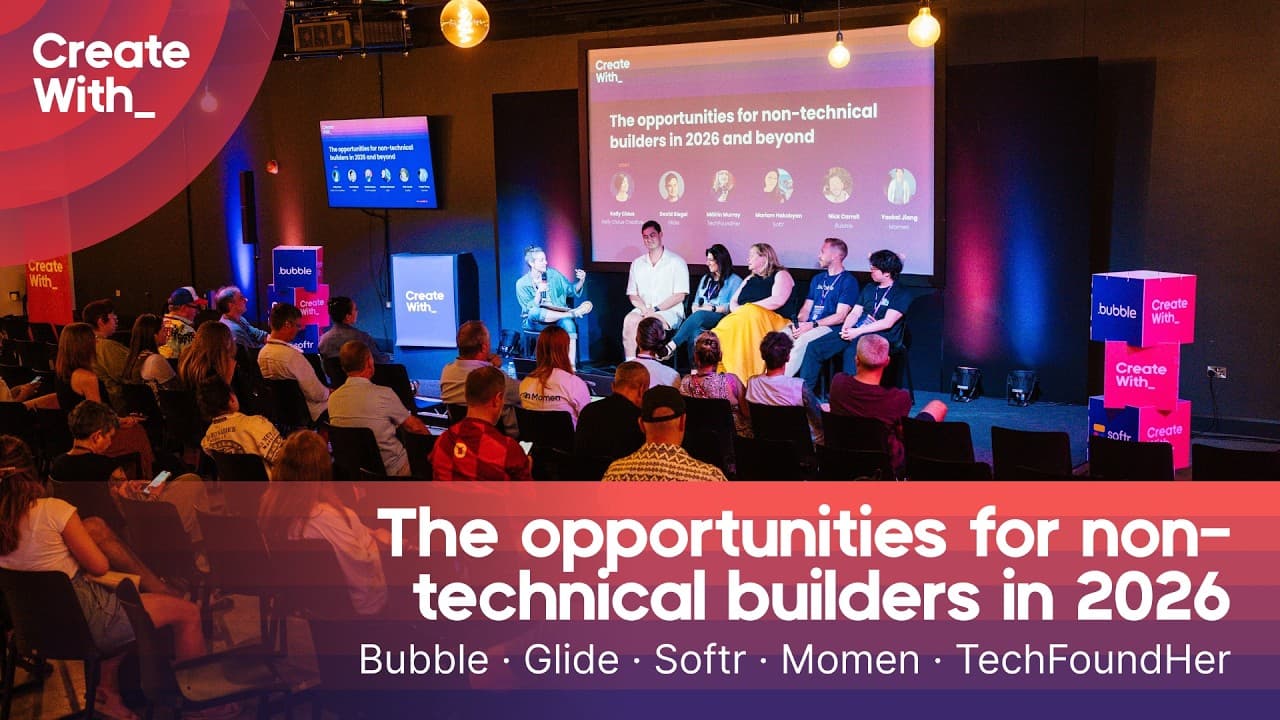
The Biggest AI Opportunities for Non-Technical Builders in 2026

A closing panel discussion from Create With featuring leaders from Glide, Softr, Bubble, Momen, and TechFoundHer examining how AI and no-code platforms are democratizing software development. The panelists explore what non-technical builders can now create, how AI is transforming service businesses, and where expertise still matters when prototypes become production applications.

Watch now ↗
31 min

Conference

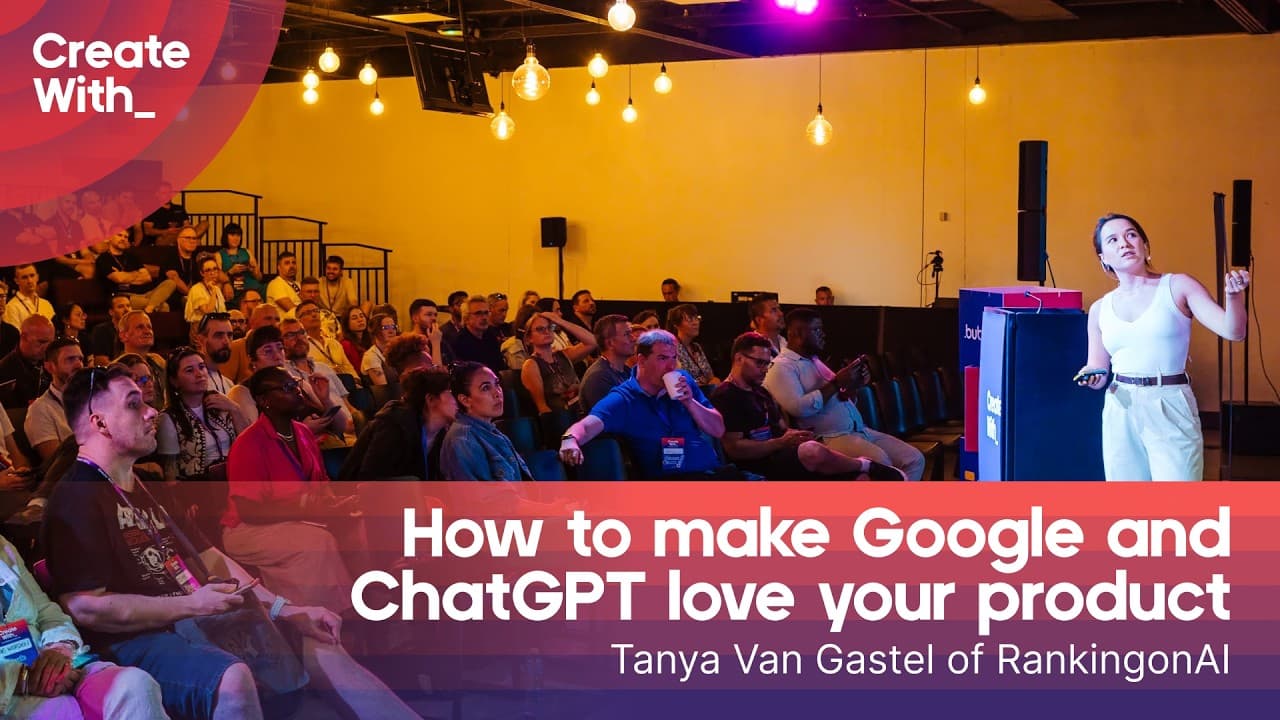
How to Get Your Product Recommended by Google and ChatGPT

Tanya Van Gastel presents the APEX framework for making products discoverable in AI-powered search engines like ChatGPT and Google's AI Overviews. She explains how AI is fundamentally changing product discovery and buyer behavior, then breaks down five critical components: Authority (being cited as a solution), Presence (visibility across search platforms), Expertise (creating high-quality money pages), Endorsements (off-site validation), and Extractability (making content easy for AI to process). The talk emphasizes quality over quantity, with data showing 50% of SaaS SEO revenue comes from fewer than 10 high-performing pages.

Watch now ↗
55 min

Tutorial

I Built a Personal AI Assistant for £10/month — Here's How To Do The Same

Tanveer Mohammed provides a comprehensive tutorial on building a personal AI assistant using OpenClaw for approximately £10/month. The walkthrough covers VPS setup on Hostinger, API configuration through OpenRouter, app integration via Composio, Telegram setup, skill creation, cron job scheduling, and real-world applications including health tracking, trading alerts, and business management.

Watch now ↗

Latest tool news

What else changed this week.

All tool news
MakeDigest

What Make Shipped in Early October

Make shipped a small but useful reliability update for people building automations in the editor. This one is about protecting work in progress, following broader recent changes…

The Create With Briefing

Don't watch forty changelogs. Read one email.

Every Tuesday: the tool changes worth knowing, real business use cases, and what's on near you. Free, unsubscribe any time.