 Netlify

Netlify Migrates 300,000 Daily Builds to Firecracker MicroVMs
Netlify replaced its entire Kubernetes-based build system with Firecracker MicroVMs, the same virtualization technology that powers AWS Lambda. The infrastructure overhaul is already live and processing 1.9 million builds per week with no configuration changes required from users.
The company announced the migration on April 9, describing it as the largest infrastructure upgrade in Netlify's history. Every build now runs in its own hardware-isolated VM that boots in under a second and is destroyed when the build completes.
Performance Gains Across the Build Pipeline
Across 300,000+ daily builds, Netlify reported:
- 95% faster queue times (P95: 39.7s to 1.9s)
- 77% faster cache fetch (P95: 59.4s to 13.4s)
- 56% faster dependency installs (P95: 55.8s to 24.2s)
- Cache saving dropped from 4+ minutes to 26 seconds
- 33% faster end-to-end builds for large enterprise customers
The P95 metric means 95% of builds complete within the stated time, a more meaningful measure than averages when evaluating real-world developer experience.
Netlify validated the new system for Next.js, Astro, Gatsby, Hugo, Nuxt, Remix, and SvelteKit. Existing netlify.toml configurations, build commands, and environment variables all carry over without modification.
Hardware Isolation Instead of Namespace Boundaries
The shift from Kubernetes to Firecracker MicroVMs changes how builds are isolated. Under the previous system, builds ran in separate Kubernetes pods, which provided process-level isolation through Linux namespaces and cgroups. With Firecracker, each build gets its own lightweight VM with hardware-level isolation.
Firecracker VMs boot in under a second and consume minimal overhead, making them viable for ephemeral workloads like CI/CD builds. Because each VM is destroyed after the build completes, there's no state leakage between builds or interference between projects.
This mirrors the approach AWS Lambda has used since 2018, when it migrated from container-based isolation to Firecracker for better security and density.
Zero Downtime Migration at 1.9M Builds Per Week
Netlify completed the migration with no user-facing downtime. Developers using the platform didn't need to update configurations, redeploy sites, or change build scripts. The company appears to have run both systems in parallel during a validation period before fully cutting over to Firecracker.
The timing follows Netlify's recent expansion into agent-based workflows and its April 22 launch as a design and launch partner for Stripe Projects. The infrastructure upgrade positions Netlify to handle higher build volumes as it extends into new developer segments.
The company also recently shipped Netlify Database, an integrated Postgres offering, and made OpenAI's GPT-5.5 Instant available through its AI Gateway with zero configuration.
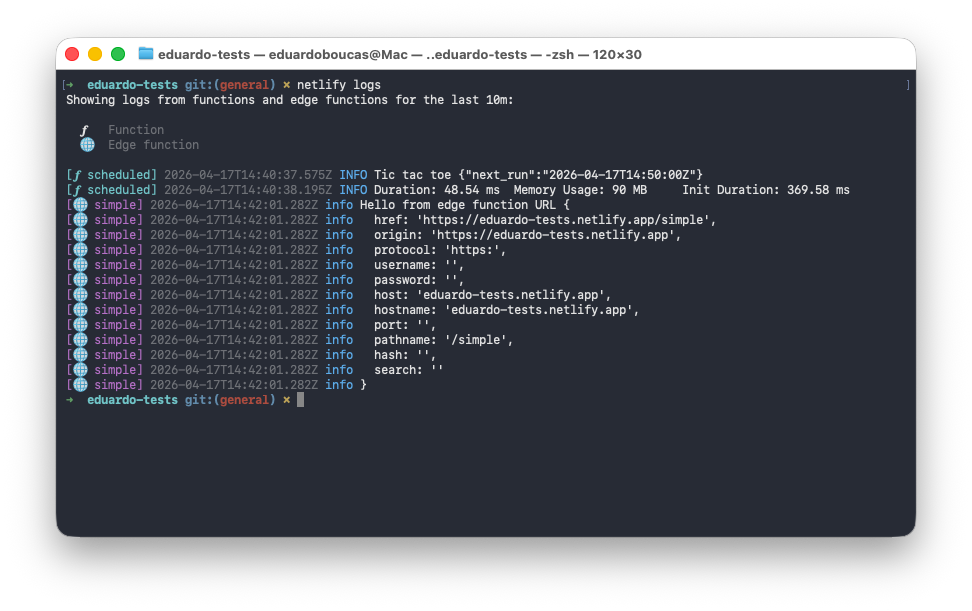
The full technical writeup is available on the Netlify blog. Developers can monitor build performance through the updated Netlify CLI, which now includes a netlify logs command for filtering and tailing build, function, and edge function logs in real time.
Sources
1 checkedHow we cover tool news: Create With's tool desk drafts these reports with AI from the sources listed above and checks them against those sources before publishing.




 ElevenLabs

 Glide

 Stripe