 Claude

Anthropic is handing off Petri, its open-source AI alignment testing tool, to Meridian Labs to ensure the project's long-term development continues independently. The move comes alongside a major update to Petri's testing capabilities, developed in partnership with Meridian Labs.
The company announced on LinkedIn that the donation allows Meridian Labs to steward Petri's evolution while Anthropic focuses on its core products. The timing aligns with the updated release, which enhances how Petri evaluates AI model behavior across adaptability, realism, and depth.
Why Transfer Petri Now
Petri launched as an open-source project to help researchers test whether AI systems behave as intended under various conditions. By measuring alignment through structured scenarios, the tool became a resource for teams working on model safety outside Anthropic's walls.
Transferring ownership to Meridian Labs, an organization focused on AI safety infrastructure, ensures Petri receives dedicated resources and community input. Anthropic retains no operational control, though the collaboration on the latest update suggests ongoing technical exchange.
The update itself targets three areas where previous versions showed limitations. Tests now adapt more fluidly to edge cases, scenarios reflect real-world complexity with greater fidelity, and evaluations probe model reasoning at deeper layers. These improvements matter for teams stress-testing alignment in production environments, not just research labs.
What's in the Update
The technical refresh addresses feedback from Petri's user base, which includes academic researchers and safety-focused AI labs. Enhanced adaptability means tests can shift parameters mid-evaluation based on model responses, catching inconsistencies that static benchmarks miss. Realism improvements draw from a broader set of real-world interaction patterns, reducing the gap between test performance and deployment behavior.
Depth enhancements allow Petri to trace how models arrive at outputs, not just whether the outputs align with intended behavior. This layered approach helps teams identify where alignment breaks down in multi-step reasoning tasks.
Meridian Labs will maintain the GitHub repository and coordinate community contributions going forward. The update is available now under the same Apache 2.0 license.
Broader Context on Alignment Tools
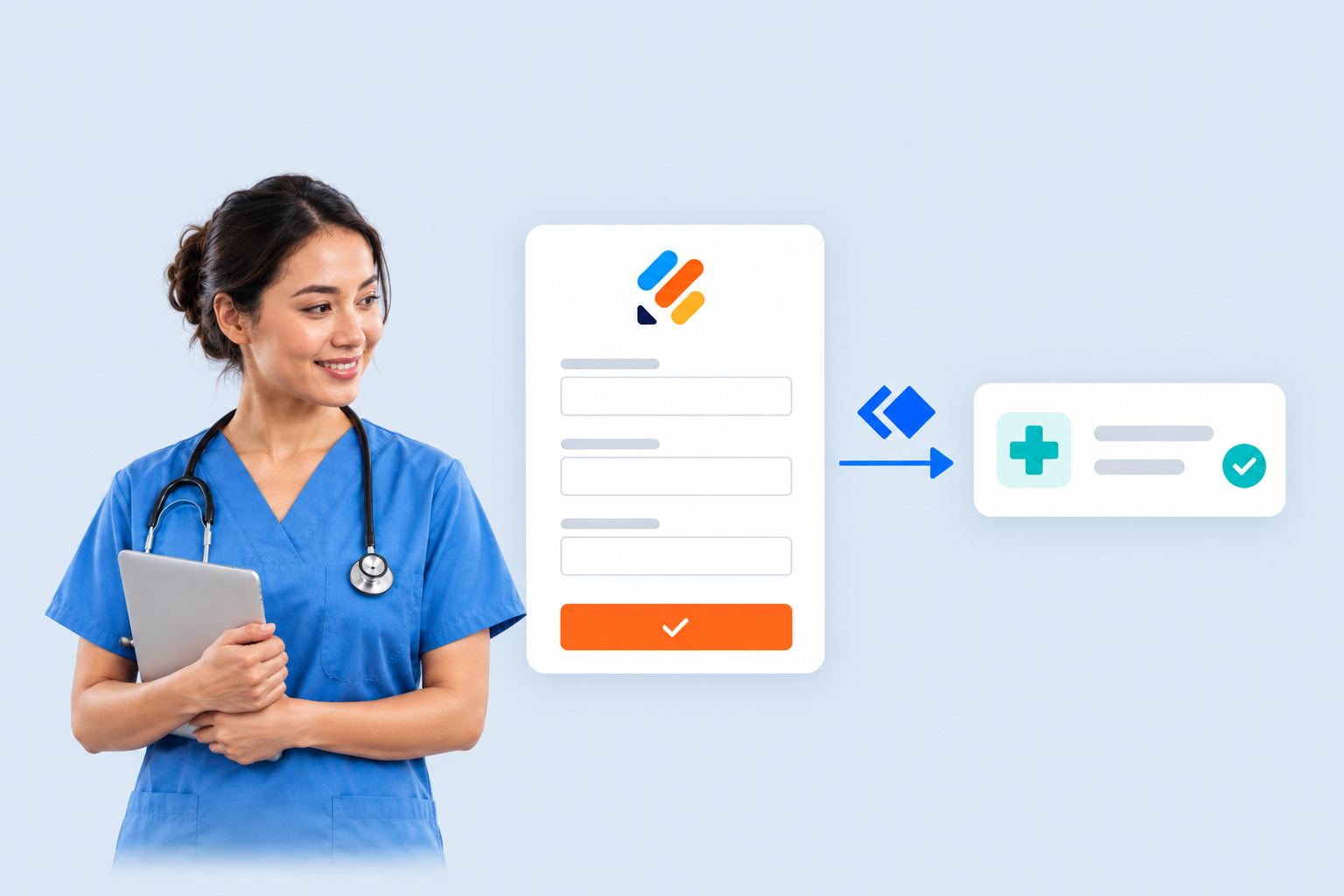
Anthropic's decision to donate Petri reflects a growing trend of AI companies open-sourcing safety tooling while keeping commercial models proprietary. The company has recently focused on enterprise deployments and partnerships, including work with Code for America on public benefits casework and healthcare connectors for HIPAA-compliant workflows.
For developers building AI-powered tools with platforms like Cursor or Replit, alignment testing remains a niche concern. But as models handle more sensitive tasks, tools like Petri offer a way to validate behavior before shipping.
Meridian Labs has not disclosed a public roadmap for Petri, though the organization's focus on safety infrastructure suggests continued investment in testing frameworks. Anthropic's donation ensures the project survives independent of any single company's product priorities, a model other AI labs may follow as open-source safety tools mature.
Sources
1 checkedHow we cover tool news: Create With's tool desk drafts these reports with AI from the sources listed above and checks them against those sources before publishing.



 Supabase
 Jotform
 Gemini

 Figma

 Vercel