OpenClaw

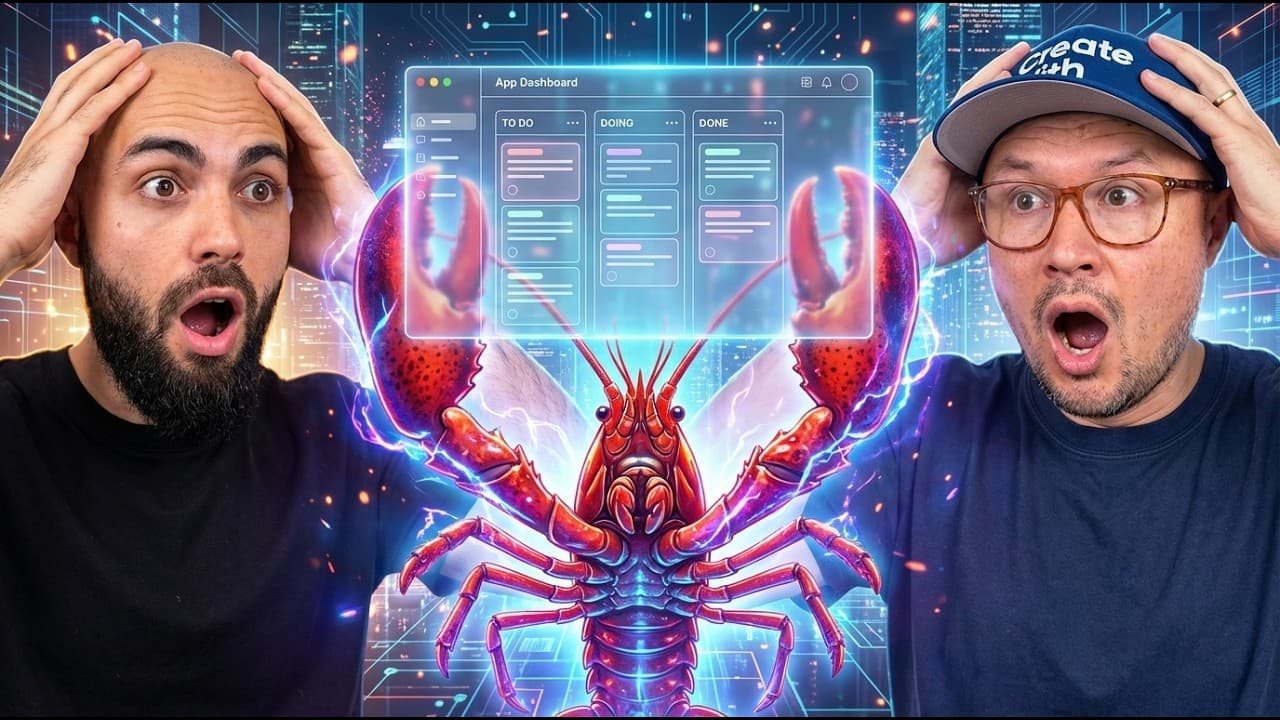
OpenClaw shipped version 2026.4.14 on April 14, focused squarely on reliability. The update improves how the locally-run AI agent handles model failures, stabilizes its subagent architecture, and resolves bugs across multiple chat platforms.
The release centers on smarter routing and recovery for GPT-5.4, OpenClaw's default language model. When GPT-5.4 encounters errors or rate limits, the agent now degrades more gracefully and retries intelligently rather than stalling. This matters for users running complex workflows overnight or across extended sessions, where a single model hiccup previously meant manual intervention.
Chrome and Subagent Stability
OpenClaw operates through browser automation via Chrome DevTools Protocol (CDP). This update patches several edge cases where CDP connections would drop or hang, particularly during long-running tasks like scraping multi-page sites or filling out forms across tabs. The fixes should reduce the frequency of "browser not responding" errors.
Subagents — OpenClaw's mechanism for spawning parallel tasks — no longer get stuck in infinite loops when their parent task completes unexpectedly. Previous versions occasionally left zombie processes running in the background, consuming memory and confusing users about whether a job had finished. The team reworked the shutdown logic to ensure child agents terminate cleanly.
Chat Platform Fixes
The update resolves issues across Slack, Telegram, and Discord integrations. Users reported dropped messages, phantom notifications, and occasional crashes when OpenClaw received rapid-fire commands through these platforms. The fixes address race conditions in the message queue and improve how the agent parses commands with special characters or inline code blocks.
OpenClaw's integration layer now handles rate limits more predictably. Slack's rate limits are notoriously aggressive for bots, and the previous version would sometimes retry too quickly, triggering temporary bans. The new logic backs off exponentially and logs clearer error messages when limits are hit.
The team also shipped unspecified performance improvements. Based on recent updates, these likely include memory optimizations and faster skill loading times from ClawHub, OpenClaw's plugin marketplace.
Context
This continues a pattern of stability-focused releases following OpenClaw's aggressive feature expansion earlier in the year. After shipping group chat overhauls and file transfer for paired nodes in recent weeks, the team appears to be consolidating. The tightened security in version 2026.5.7 suggests the project is maturing beyond pure feature velocity.
OpenClaw is an open-source, locally-run AI agent designed to execute tasks through chat interfaces. Unlike cloud-based alternatives, it runs entirely on the user's machine, giving full control over data and execution. The project has gained traction among developers and power users who need an agent they can audit, extend, and trust with sensitive workflows.
The announcement on LinkedIn noted the team shipped the release while its founder was asleep, a nod to the project's collaborative development model and automated release pipeline. Full release notes are available on the OpenClaw GitHub repository.
Sources
1 checkedHow we cover tool news: Create With's tool desk drafts these reports with AI from the sources listed above and checks them against those sources before publishing.


 Supabase
 v0


 PostHog

 ElevenLabs