 Framer

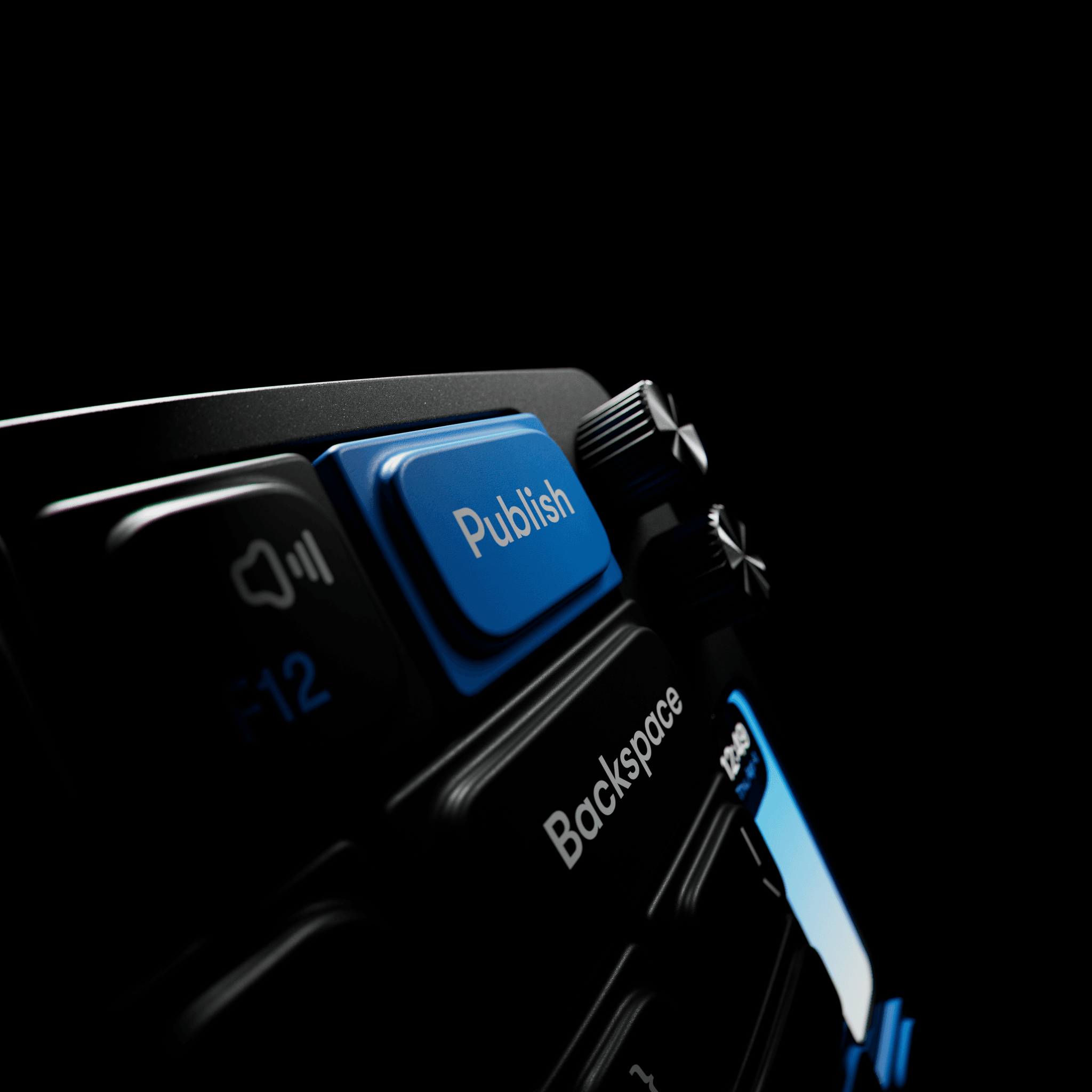
Framer, the web design platform known for its recent pricing updates, has moved beyond software. The company announced the Framer F1, a 75% mechanical keyboard developed in partnership with Work Louder, combining hardware engineering with workflow-specific customization.
The keyboard features a 310×100 px color LCD display, two programmable rotary knobs, and hot-swappable tactile switches housed in a CNC aluminum enclosure. Unlike general-purpose keyboards, the F1 integrates directly with Framer's web platform, displaying site statistics and offering dedicated shortcuts for publishing, opening the CMS, and copying effects. Pre-orders are now open through Work Louder's site.
Built for Framer Workflows
The F1 includes hardware keys mapped to common Framer actions: publishing sites, managing content collections, and applying design effects. These dedicated shortcuts replace multi-key combinations, aiming to reduce friction for frequent tasks. The built-in display pulls live data from Framer sites, showing metrics like traffic and visitor counts without switching windows.
The keyboard supports full layout reprogramming through Work Louder's software, letting users assign custom macros and functions to any key. Two rotary encoders can control volume, zoom, or custom parameters. Framer describes the device as adaptable to individual workflows rather than forcing users into a fixed layout.
Connectivity includes Bluetooth with support for three saved device profiles and a 3000mAh battery for untethered use. The low-profile design uses tactile switches with 55g actuation force and a two-stage spring mechanism. Switches are hot-swappable, allowing replacements without soldering.
Hardware Meets Brand Identity
The collaboration with Work Louder, a company specializing in custom mechanical keyboards, marks Framer's first hardware product. The aluminum enclosure is fully CNC machined and anodized in silver, positioning the keyboard as a premium accessory rather than a commodity input device.
Framer co-founder Koen Bok emphasized the design intent in materials and finish. The company chose specifications with durability in mind, from the metal housing to switch construction. A dedicated key labeled for future Framer features suggests the company plans to expand functionality over time through firmware updates.
The F1 fits into a broader trend of software companies releasing branded hardware tools. Similar to how Figma users have created community-driven plugins and accessories, Framer is offering an official product that ties physical interaction to its digital platform. The built-in screen differentiates it from standard programmable keyboards by providing contextual feedback tied to active projects.
Pricing and availability details were not disclosed in the announcement. The pre-order page indicates shipping timelines will be communicated to buyers directly. Framer's move into hardware follows a period of platform expansion, including bandwidth increases for basic plans and new content management tools.
Whether the F1 becomes a standard tool for Framer's design community or remains a niche accessory depends on adoption and ongoing software integration. For now, it represents an unusual bet: that a web design platform can improve user experience not just through code, but through the keyboard itself.
Sources
1 checkedHow we cover tool news: Create With's tool desk drafts these reports with AI from the sources listed above and checks them against those sources before publishing.





 ElevenLabs

 Glide

 Stripe