Vercel
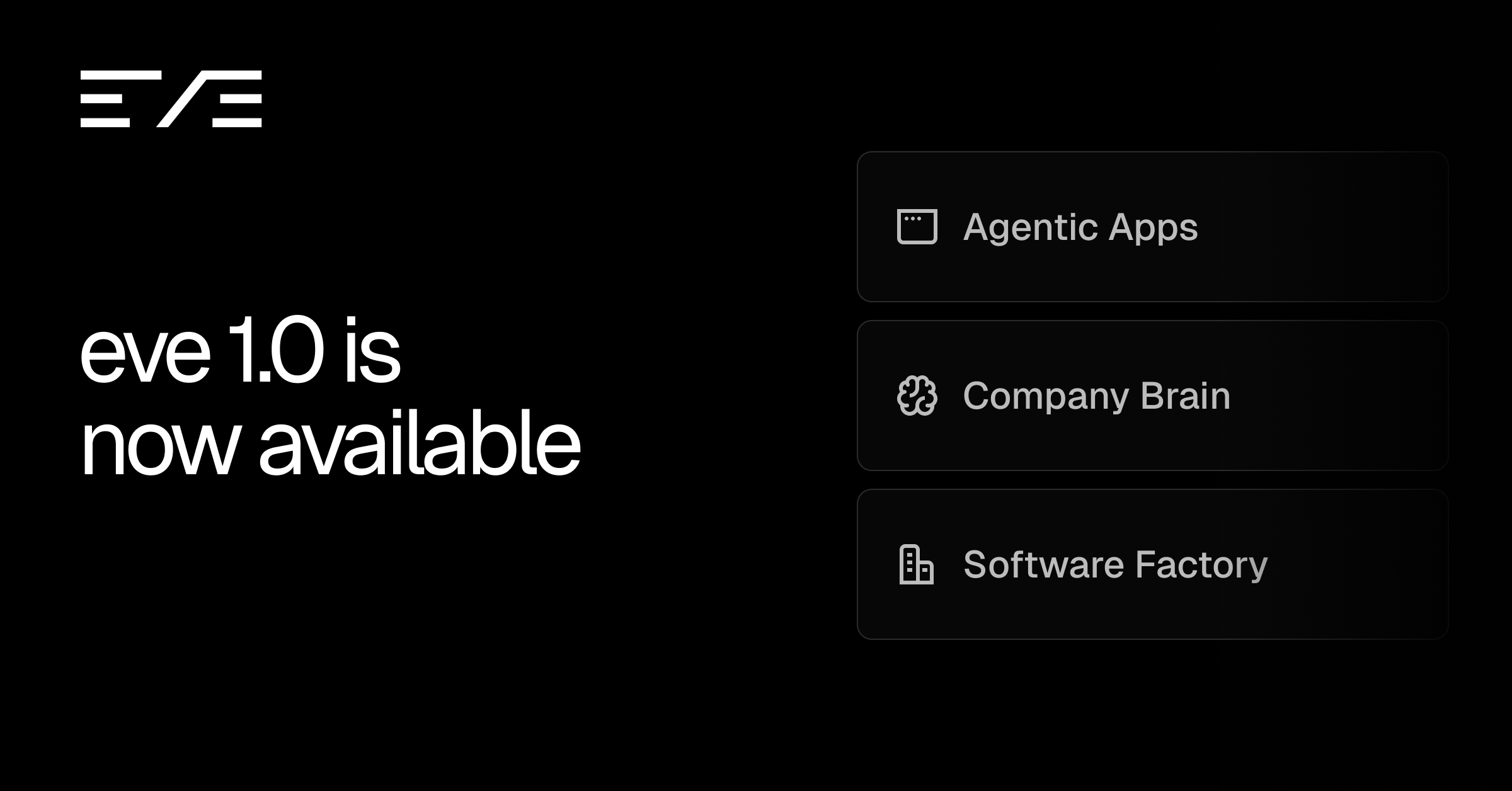
eve 1.0 is now generally available as Vercel’s open-source framework for building production-ready agents. It combines model calls, tool execution, durable workflows, approval controls and isolated code execution in one stack.
According to Vercel’s launch post, the framework has moved from its public preview in June to a stable 1.0 release. Vercel shipped more than 230 releases and merged thousands of pull requests during that period.
The release also makes eve faster, expands its integrations and improves observability. Vercel has worked on making the framework easier for coding agents to build with, as well as for developers building agents directly.
- Releases since public preview
- 230+
- shipped between June and general availability
- Pull requests merged
- Thousands
- completed while preparing eve 1.0
What Vercel Added to eve 1.0
At the centre of eve is a harness for calling models and running tools. This handles the repeated loop behind an agent: send context to a model, receive an instruction, run the relevant tool and pass the result back.
Long-running work is handled through the open-source Workflow SDK. It provides durable execution with checkpointing, so an agent run does not have to depend on one uninterrupted process. A workflow can preserve progress between stages rather than starting the whole job again.
The framework also includes built-in multiplayer and agent-to-agent calls. Multiplayer supports workflows involving more than one participant. Agent-to-agent calls allow separate agents to pass work between each other inside a larger process.
Security controls sit around those actions. Builders can choose which actions require approval and control what data gets collected. That creates a defined review point before an agent carries out a sensitive step.
| Area | Public preview | eve 1.0 |
|---|---|---|
| Release status | Public preview from June | Generally available |
| Development | Early-adopter testing | More than 230 releases and thousands of merged pull requests |
| Execution | Framework under active development | Durable execution with Workflow SDK checkpointing |
| Controls | Preview implementation | Action approvals and data collection controls |
| Operations | Preview-stage tooling | Improved speed, integrations and observability |

How Builders Can Run eve Agents
An eve project can be hosted on Vercel using Workflows for durable execution and Sandbox for isolated code execution. Sandbox gives generated or agent-selected code a separate environment in which to run. The underlying Sandbox API has also reached a stable release, following the Vercel Sandbox Python SDK 1.0 update.
The pieces cover different parts of an agent run. The eve harness manages model and tool interactions. Workflow SDK coordinates jobs that need to continue across several stages. Sandbox isolates code execution. Approval controls determine when a person must step in.
A builder can put those parts together in this sequence:
- 1
Configure the harness
connect the model and define the tools available to the agent
- 2
Create the workflow
split longer work into durable steps with checkpoints
- 3
Set approval rules
choose which actions must pause for human review
- 4
Isolate code
send generated or selected code to Vercel Sandbox
- 5
Deploy the agent
host the workflow on Vercel and inspect it through the available observability tools
Managed hosting is one option rather than a requirement for the framework itself. eve and Workflow SDK are open source, while Vercel provides the associated hosted Workflows and Sandbox services.
From Agent Demo to Managed Workflow
A basic agent can be built as a model call connected to a few tools. Production work adds more moving parts: state must persist, tool failures need to be visible, code may need isolation, and selected actions may need a person’s approval.
eve 1.0 packages those concerns into a single framework. Checkpointing covers durable state. Observability records what happens during a run. Sandbox provides isolated execution. Approval settings put a human decision before selected actions, while agent-to-agent calls support processes split across specialised agents.
The 1.0 label also changes the release status. The framework is no longer presented as a public preview. It is now generally available after the release cycle that began in June.
Frequently asked questions
What is Vercel eve 1.0?
eve 1.0 is an open-source framework for building production-ready agents. It provides a harness for model calls and tool execution, durable workflows, multiplayer support, agent-to-agent calls, security controls and managed hosting options.
When is eve 1.0 available?
eve 1.0 is generally available. It followed a public preview that began in June.
How does eve 1.0 compare with the public preview?
Vercel shipped more than 230 releases and merged thousands of pull requests between the preview and version 1.0. The general release is faster and includes expanded integrations, improved observability and security controls for approvals and data collection.
Does eve 1.0 support human approval steps?
Yes. Builders can choose which agent actions require approval before they run. They can also control what data is collected during agent activity.
Sources
3 checkedHow we cover tool news: Create With's tool desk drafts these reports with AI from the sources listed above and checks them against those sources before publishing.


 n8n